Space
Tree Rings Confirm Ancient Solar Storm Described by Japanese Poet
Researchers have discovered compelling evidence of an ancient solar storm that struck Earth centuries ago, combining dendrochronology (tree ring analysis) with historical records from a Japanese poet's diary. The discovery offers insights into extreme space weather and the risks modern infrastructure faces.
Red Lights in the Northern Sky
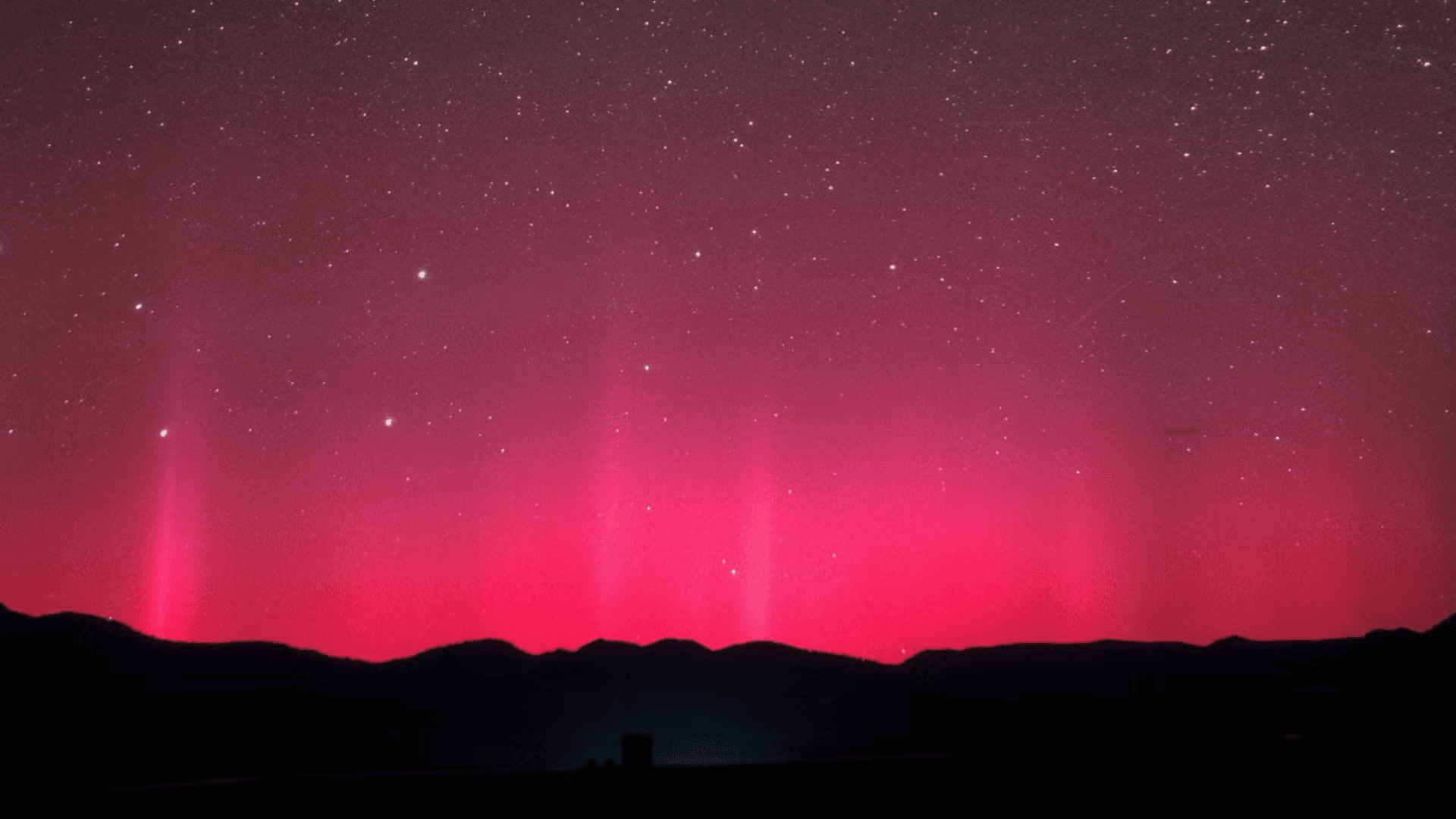
A famous Japanese poet recorded in his diary that "red lights" appeared in the northern sky above Kyoto—a vivid description of auroral displays. While the account was historically intriguing, it lacked scientific corroboration. Now, tree ring analysis provides that evidence.
When a powerful solar storm bombards Earth's magnetosphere, it causes a surge in radioactive carbon (¹⁴C) production in the upper atmosphere. This signal gets locked into tree rings as trees grow, creating a detectable record of the event in their annual rings.
Tree Rings as Space Weather Records
Researchers examined tree ring samples and found evidence of significantly elevated ¹⁴C levels corresponding to the period of the poet's observations. This multi-century-old diary entry, combined with this physical evidence, confirms that a major solar storm occurred—exactly as the poet described seeing its auroral effects.
Why It Matters
The event demonstrates both the beauty and the danger of extreme solar weather. Today, a comparable geomagnetic storm hitting Earth would pose serious risks to power grids, satellites, and communications infrastructure. Understanding the frequency and severity of historical events helps scientists and engineers prepare for future space weather threats.
The Carrington Event of 1859 remains the benchmark for worst-case scenarios, but this discovery shows that major solar storms may be more common than once thought. As our technological infrastructure grows ever more dependent on satellites and power systems, vigilance and preparation become critical.
Comments
Loading comments...