Space
NASA's Artemis 2 Moon Mission Launches Successfully
A Historic Return to the Moon
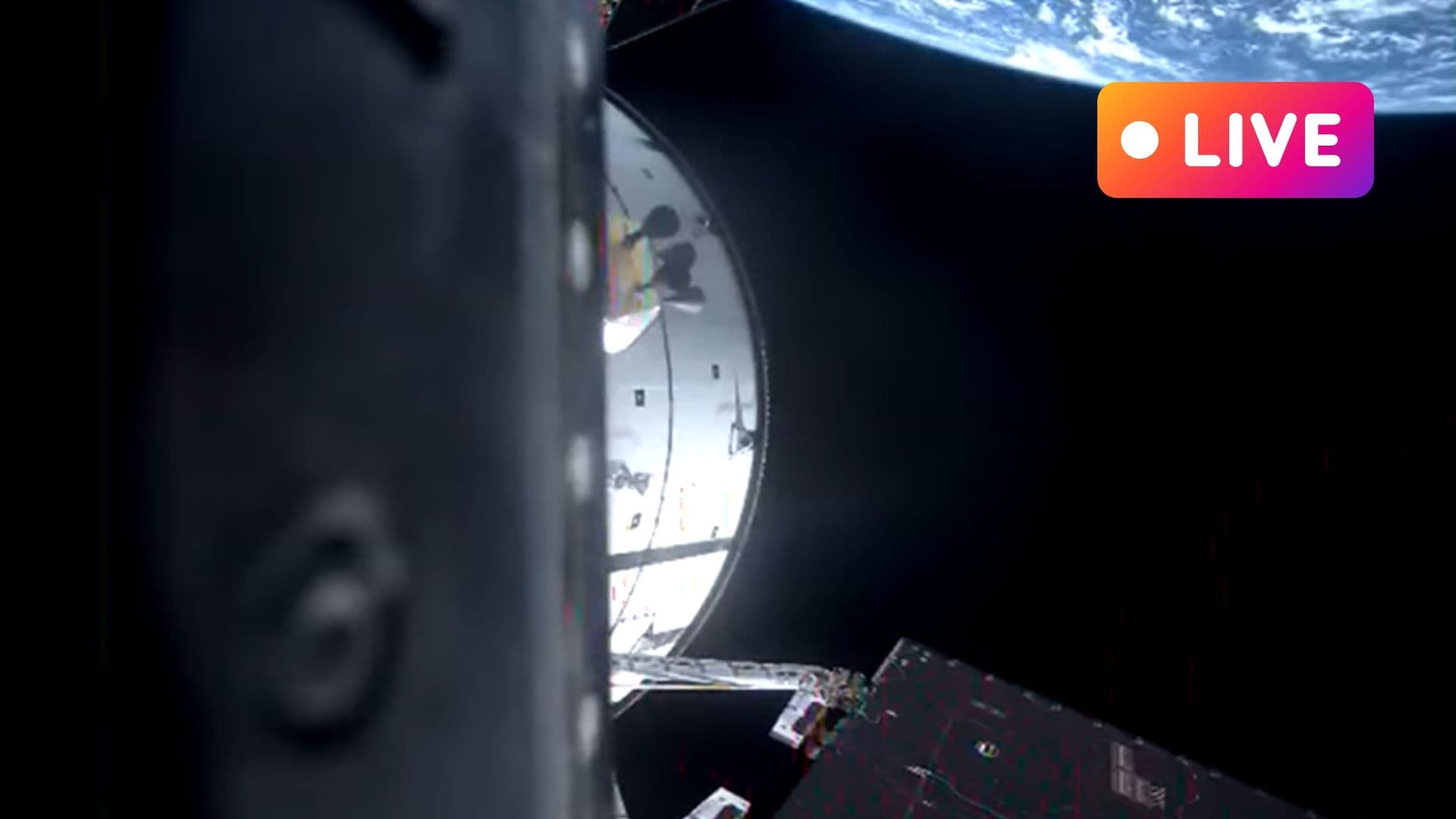
After decades of development and preparation, NASA's Artemis 2 mission has successfully launched, carrying four astronauts on a historic journey around the moon. The Space Launch System rocket lifted off from Kennedy Space Center on April 1, 2026, at 6:35 p.m. EDT, beginning what will be humanity's first crewed lunar mission in over 50 years.
Mission Commander Reid Wiseman, Pilot Victor Glover, Mission Specialist Christina Koch, and Canadian Space Agency astronaut Jeremy Hansen are now aboard the Orion spacecraft, officially named "Integrity," as they climb to orbit.
The Road to the Moon
The Artemis 2 mission represents more than just a return to lunar exploration—it's a crucial test of NASA's Artemis program, which aims to establish sustainable human presence on the moon and eventually send humans to Mars.
On April 2, 2026, the crew will perform a critical translunar injection (TLI) burn. This maneuver will accelerate the spacecraft to approximately 1,274 feet per second faster, propelling them out of Earth orbit and onto a figure-eight trajectory around the moon.
"We are falling back to Earth real fast and we're looking forward to accelerating and heading back to the moon," Commander Wiseman reported to mission control after the launch.
Milestones and Firsts
Once the TLI burn is complete, the Artemis 2 astronauts will become the first humans to leave Earth orbit in over 53 years. The last time this happened was during Apollo 17 in December 1972—making April 2, 2026, a historic date for human spaceflight.
The 10-day mission will include detailed observations and photography of the lunar surface, scientific experiments on board Orion, and evaluation of the spacecraft's life support systems. The crew will test new exercise equipment designed for deep-space missions and assess how human physiology responds to extended space travel beyond Earth orbit.
A Test for the Future
Artemis 2 is fundamentally a test flight—a demonstration that NASA's hardware works as designed and that humans can safely travel to and from the moon. Every success builds confidence toward Artemis 3, which will involve a crewed landing on the lunar surface.
The crew has already faced minor challenges: a toilet fan issue aboard Orion and a battery temperature reading that required troubleshooting. Such challenges during a test flight are valuable learning opportunities, helping engineers refine systems before more ambitious missions.
With TLI scheduled for April 2, the next 24 hours will be critical for the mission. NASA's mission control team and the global spaceflight community are watching closely as humanity takes its next giant leap.
Source: Space.com - Artemis 2 LIVE: NASA is 'GO' to send Orion astronauts to the moon
Comments
Loading comments...