Space
What's Next After Artemis 2? NASA Plans Lunar Landing by 2028
The Plan Gets More Ambitious
Artemis 2 just made history, but NASA isn't resting. The agency's already deep in planning for Artemis 3 and 4 — missions that will put boots back on the moon for the first time since Apollo 17 in 1972.
The architecture has shifted recently. Artemis 3, now scheduled for mid-2027, will stay in Earth orbit to test critical docking procedures between the Orion spacecraft and privately-developed lunar landers. SpaceX's Starship and Blue Origin's Blue Moon vehicles will handle the actual landing infrastructure — a smart delegation of the heavy lift to companies that specialize in it.
If Artemis 3 succeeds, Artemis 4 will make the actual landing near the moon's south pole in late 2028. That's two years away.
Building a Lunar Outpost
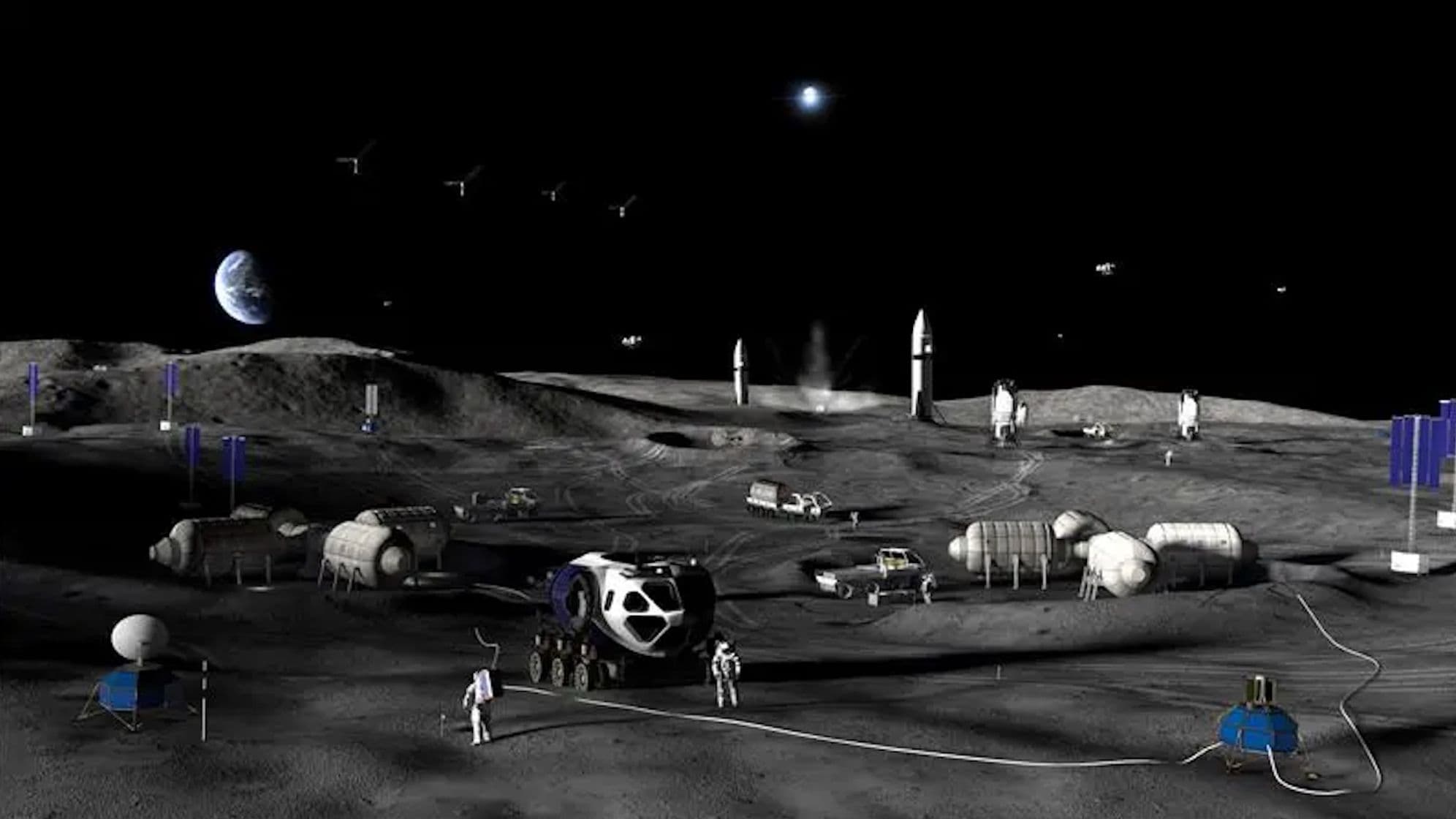
This isn't just about flags and footprints. NASA plans to establish a permanent lunar base by 2032, with astronauts eventually living and working there long-term. The south pole location is strategic — permanently shadowed craters hold water ice, the foundation for fuel production and human habitation.
The agency is already shipping hardware. Some Artemis 3 Space Launch System rocket components are at Kennedy Space Center. Others leave the Michoud Assembly Facility in Louisiana this month. NASA Administrator Jared Isaacman made it clear: they're proceeding "as quickly as we can."
The Technical Challenges Ahead
The road isn't smooth. Starship is unproven for lunar operations — it's done 11 suborbital test flights, the last two successful, but hasn't reached orbit yet or demonstrated off-Earth refueling. Blue Moon hasn't flown at all. Orion experienced a helium leak in its propulsion system during Artemis 2 that will require "extensive redesign" of the valve system.
These aren't showstoppers. They're the known unknowns that engineering teams solve between now and 2028. What matters is the momentum is real, the timeline is aggressive, and the vision extends beyond the moon to Mars.
Why This Matters Now
Humanity building a permanent presence on another world. That's not science fiction anymore. It's schedule and budget. The skill and will to execute is the only question, and Artemis 2's success just answered it.
Source: Space.com
Comments
Loading comments...