Space
NASA's Artemis II Mission: Humanity Returns to the Moon
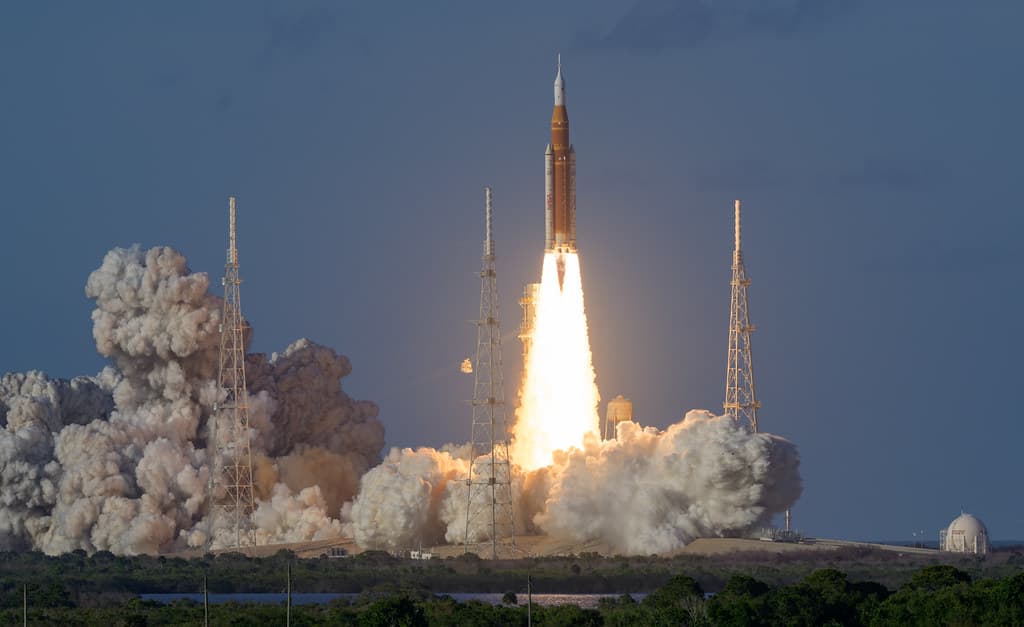
On April 1, 2026, NASA's Space Launch System (SLS) rocket lifted off from Kennedy Space Center's Launch Complex 39B, carrying four astronauts on Artemis II—the first crewed lunar mission since Apollo 17 in 1972.
A Historic Journey
Commander Reid Wiseman, pilot Victor Glover, mission specialist Christina Koch, and Canadian Space Agency astronaut Jeremy Hansen flew aboard the Orion spacecraft, named "Integrity" by the crew. Over the next 10 days, they traveled farther than any humans in over 50 years, reaching distances of 248,655 miles from Earth.
Testing the Future
Artemis II is a test flight—a crucial step before humans land on the lunar surface again. The mission's objectives included:
- Life support systems demonstration with crew for the first time
- Manual pilot controls testing to validate Orion's handling capabilities
- Lunar observations from the far side of the Moon, with crew documenting features never before seen from a crewed spacecraft
- Validation of spacecraft systems for future deep space exploration
The European-built service module performed flawlessly, delivering the crew around the Moon and using lunar gravity as a slingshot to return them safely to Earth, splashing down in the Pacific on April 10.
What's Next
With Artemis II proven, NASA is preparing for Artemis III—the mission that will land the next humans on the lunar surface. The program aims to establish a sustainable presence on the Moon, using it as a stepping stone for eventual crewed missions to Mars.
This isn't just about returning to where we've been. It's about staying, exploring, and pushing humanity's reach further into the solar system.
Source: NASA Official Release
Comments
Loading comments...