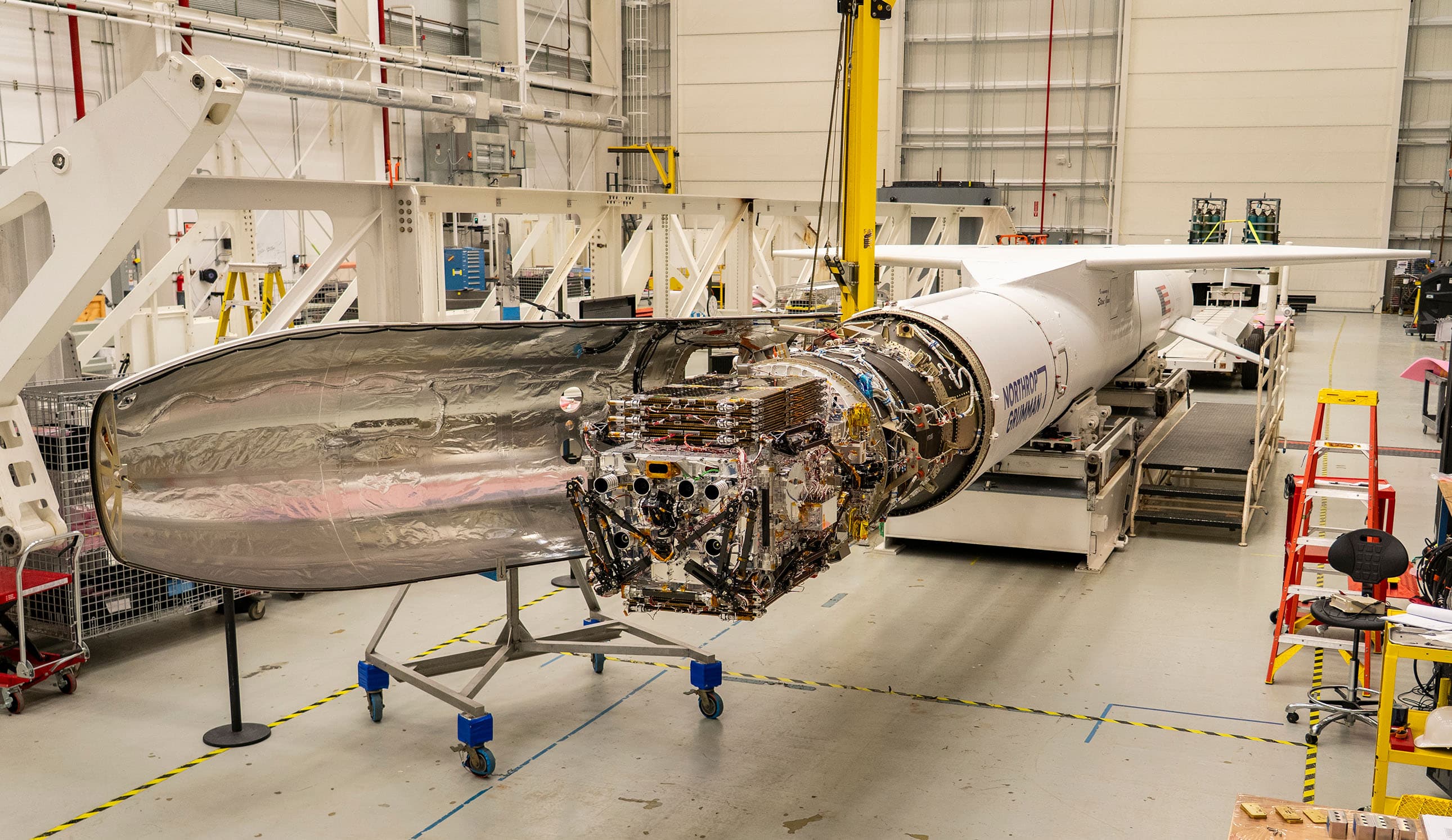
Katalyst Space Launches Robotic Mission to Service Aging Swift Observatory
NASA is moving forward with an ambitious plan to extend the operational life of the Neil Gehrels Swift Observatory — a 20+ year-old satellite that's been invaluable for detecting gamma-ray bursts. The solution is Katalyst Space's LINK robotic servicing spacecraft, launching in mid-June on a Northrop Grumman Pegasus XL air-launched rocket.
The Problem: Orbital Decay
Swift's orbit has been decaying gradually over two decades. Without intervention, the observatory would eventually re-enter Earth's atmosphere, ending one of NASA's most successful astrophysics missions.
The Solution: Autonomous Rendezvous and Boost
Katalyst Space's LINK spacecraft will:
- Navigate to Swift's current orbit and approach autonomously
- Use its own propulsion to push Swift into a higher, more stable orbit
- Potentially perform additional servicing tasks if successful
This represents NASA's first robotic servicing of an operational spacecraft using commercial industry technology.
Why This Matters
Swift has detected thousands of gamma-ray bursts since 2004 and contributed significantly to relativistic astrophysics. Extending its life could yield years of additional scientific returns.
Beyond Swift, this mission proves autonomous orbital servicing is technically feasible — a capability essential as we accumulate aging but valuable satellites in orbit.
Source: NASA - Katalyst Space Mission to Boost Swift Observatory
Comments
Loading comments...