Space
Perseid Meteor Shower Peaks: July 2026 Skywatching Guide
The Perseid meteor shower, one of the year's most reliable and prolific meteor displays, reaches its peak activity in July 2026, providing excellent skywatching opportunities for observers worldwide.
Perseid Meteor Shower 2026
Peak Dates: July 17-24, 2026
Best Viewing: July 22-23, 2026 (near peak)
Radiant: Perseus constellation (northern sky)
Expected Rate: 50-100 meteors per hour at peak (under ideal conditions)
Best Time: After midnight, especially pre-dawn hours
Viewing Conditions
For the best Perseid experience:
Location: Find a dark location away from light pollution. The darker your sky, the more meteors you'll observe.
Moon Phase: The Moon will be in a favorable phase for July's peak, not washing out the dimmer meteors with moonlight.
Equipment: No special equipment needed. Lie back and observe with the naked eye. Your eyes take 20-30 minutes to adjust to darkness.
Direction: While the meteors appear to radiate from Perseus in the north, they can appear anywhere in the sky, so scan widely.
What to Expect
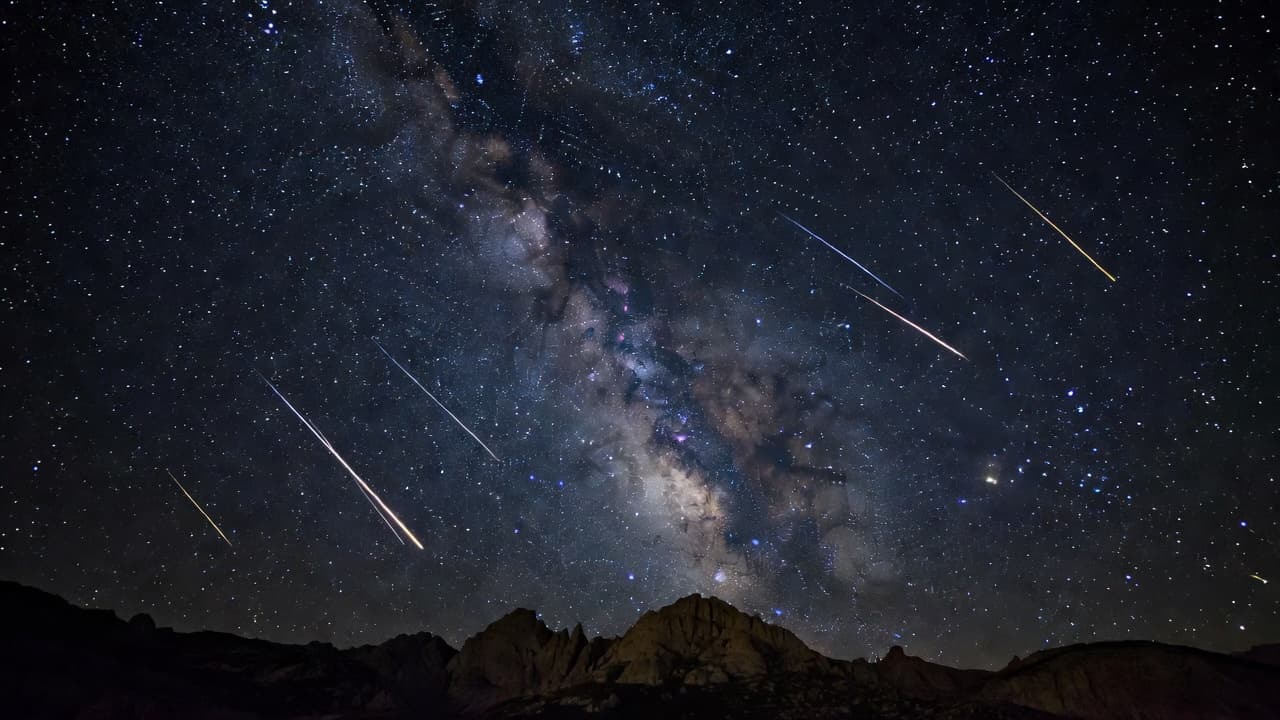
Perseid meteors are known for being bright and fast, often leaving persistent trains visible for several seconds after passage. The particles create colors including white, yellow, and occasionally blue or green.
Astrophotography Tips
Wide-angle lens: 14-24mm focal length captures large sky areas.
High ISO: 1600-3200 to collect faint meteors.
Tripod: Essential for long exposures (10-30 seconds).
Manual focus: Pre-focus on a bright star.
RAW format: Provides maximum post-processing flexibility.
Science Behind Perseids
The Perseid meteor shower results from Earth passing through the debris trail of Comet Swift-Tuttle. As our planet's orbit carries it through this region of space annually, the particles burn up in our atmosphere, creating the spectacular display we observe.
Historical Context
Perseid meteors have been observed and documented for over 2,000 years, with records dating back to ancient Chinese observers.
Source: NASA Skywatching Guide
Comments
Loading comments...