Space
How Real Astrophotography Made It Into Project Hail Mary's Credits
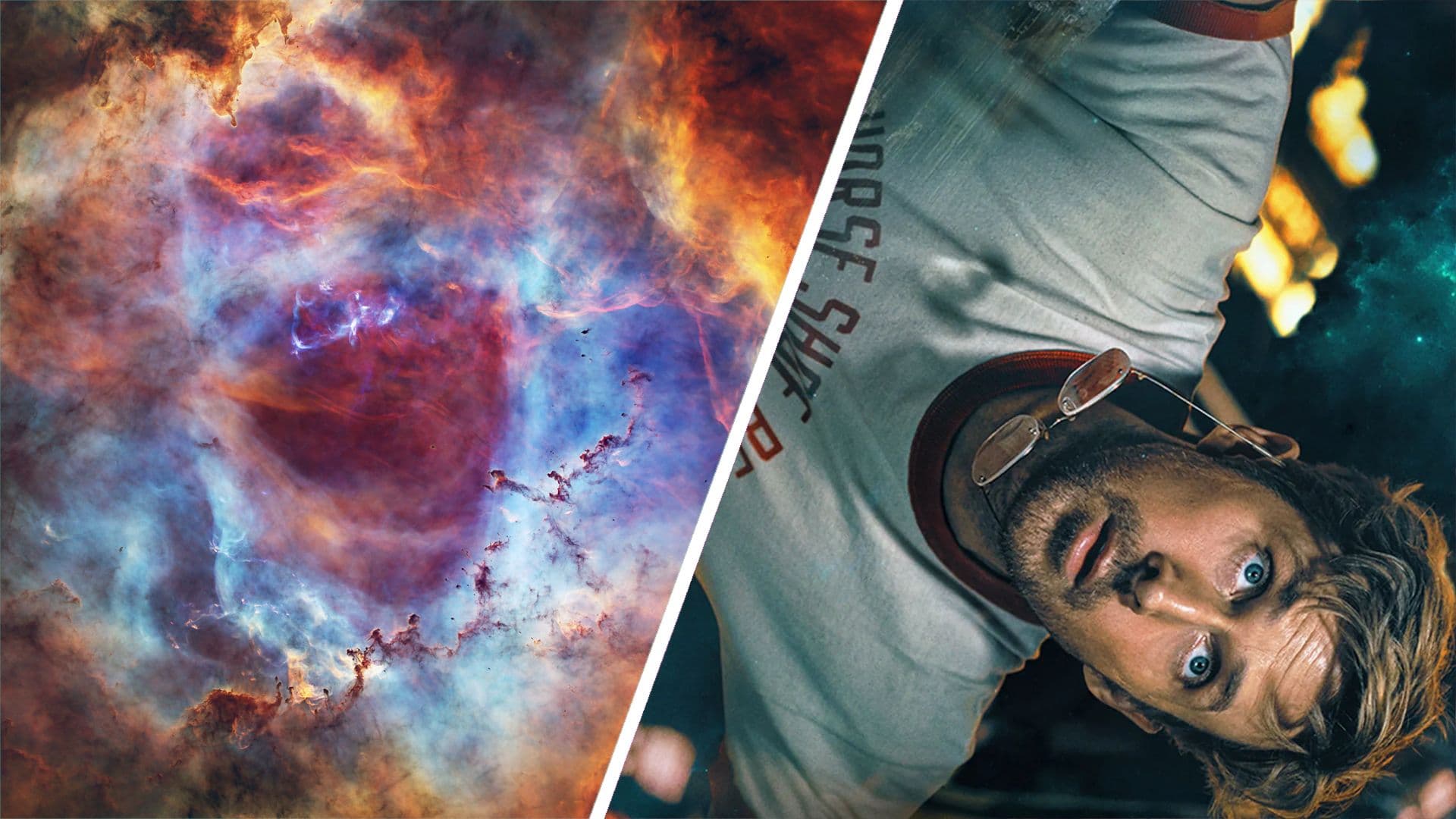
When Rod Prazeres received an Instagram DM from what claimed to be a film production company last August, his first instinct was skepticism. It looked like a scam. But after vetting the studio and signing an NDA, he discovered something remarkable: his deep-sky astrophotography would end up in the credits of Project Hail Mary, the Ryan Gosling sci-fi blockbuster.
From Deep Space to Silver Screen
Prazeres is a relative newcomer to astrophotography, having started just 2.5 years ago with a shot of the Omega Nebula in July 2023. Yet his work caught the eye of Amazon MGM's production team, and his images—stunning nebulas captured over 396 cumulative hours of integration time—would close out the film's 156-minute runtime.
The images used include some of the night sky's most iconic subjects: the Carina Nebula, the Fighting Dragons of Ara, and the distinctive Vela Supernova Remnant. Each was painstakingly processed to reveal the jaw-dropping detail that separates professional astrophotography from casual stargazing.
The Technical Challenge
What makes this production choice interesting isn't just the astronomy—it's the engineering. The production team intentionally stripped every star from Prazeres' images during editing, using specialized astrophotography software. Why? The credits needed clean text overlay, and stellar points would interfere with readability. It's a small detail that reveals the precision required to blend real science with cinema.
"It's relatively simple to do it," Prazeres explained, "You've just got to make sure it's done without damaging anything in the image and not adding or altering anything from the underlying data."
Why This Matters
In an era of CGI-rendered cosmos, the choice to use real astrophotography in a major studio film sends a message: authenticity matters. Project Hail Mary grounded its story in real science and real observations, and the credits remind viewers that this cosmos is something we can actually photograph, study, and explore.
For Prazeres, an amateur astrophotographer who was shortlisted for the 2024 Royal Observatory Greenwich's Astronomy Photographer of the Year award, the experience represents a validation of the craft. And for the rest of us, it's a reminder that the universe is spectacular enough without enhancement.
Source: Space.com - Project Hail Mary end credits showcase astrophotography
Comments
Loading comments...