Rust Adoption Hits All-Time High as Memory Safety Goes Mainstream
Rust Adoption Hits All-Time High as Memory Safety Goes Mainstream
Rust hit a quiet milestone in 2026: it stopped being the future and became the present.
The 2025 State of Rust Survey just dropped, and the numbers are undeniable. Nearly half of enterprises now run Rust in production—a 10-point jump from 2024. Daily Rust usage is at all-time highs. What was a niche systems language five years ago is now infrastructure.
The Numbers
- 46% of enterprises use Rust in production (up from 36% last year)
- Daily usage at peak levels across tech companies
- Hiring demand accelerating, with salaries pushing $150K+ for senior Rust engineers
- Community: 400+ million downloads of key libraries, 100,000+ package variants
This isn't JavaScript adoption curves with hype cycles. This is adoption driven by hard engineering requirements: memory safety without garbage collection.
Why Now?
AI and LLMs changed the game. LLM-based coding assistants made Rust easier to learn and deploy. The boilerplate that scared off newcomers became auto-generated. A developer familiar with Python or C++ could now pick up Rust faster.
Regulatory pressure. Governments are mandating memory-safe languages for critical infrastructure. The NSA published guidance. CISA published guidance. Zero-days in C/C++ became unacceptable. Rust solved the problem.
Cloud economics. Rust's performance-per-resource is unmatched. Running services in Rust costs less. Memory leaks get caught at compile time, not 3am on-call. CFOs started caring about language choice.
Web3 and embedded raced ahead. DeFi projects, blockchain systems, and IoT devices needed Rust's guarantees. They de-risked adoption for everyone else.
The Challenges Remain
The Rust Foundation published a survey on what's still hard:
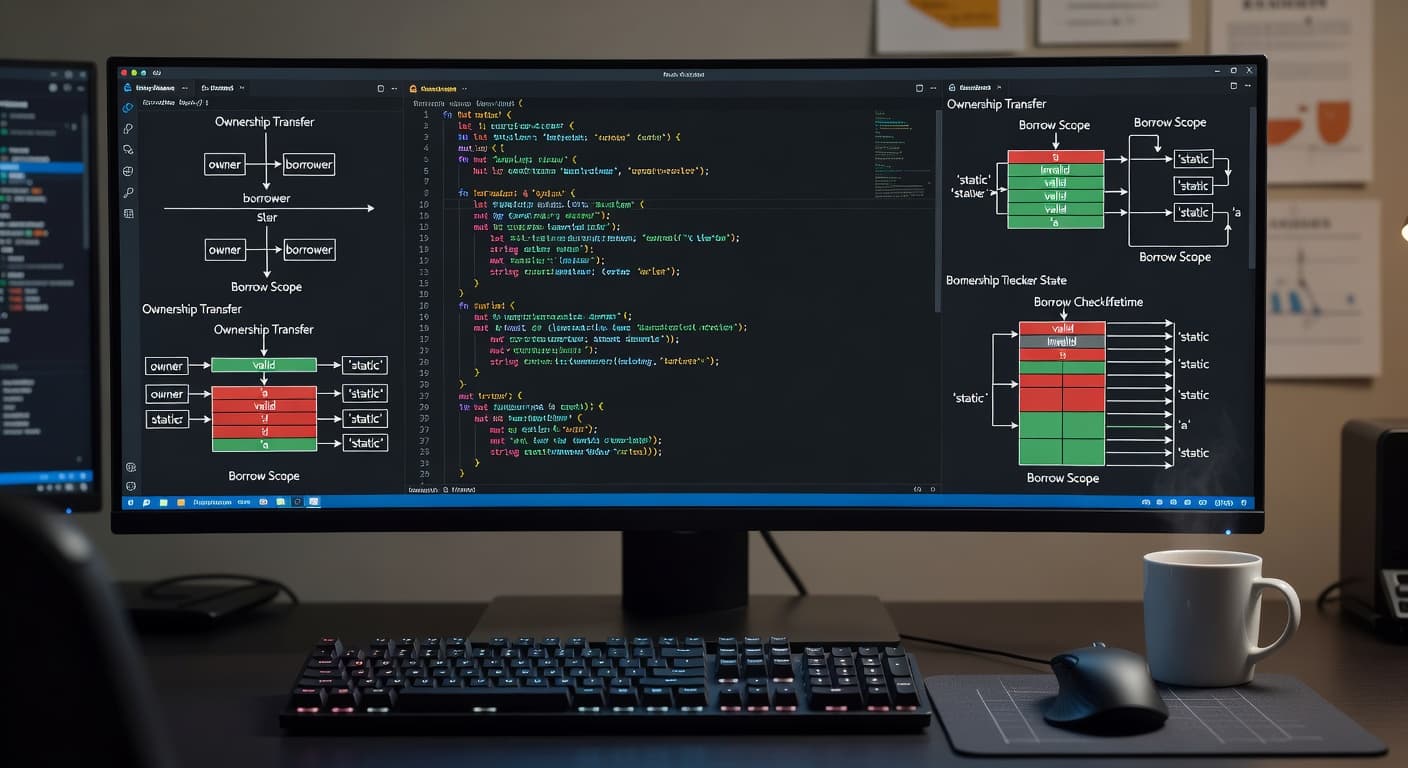
- Borrow checker pain. The compiler is right, but explaining why to new developers is brutal.
- Embedded adoption lagging. Systems programming won the day, but microcontroller work is still rough.
- Library ecosystem fragmentation. Multiple async runtimes, web frameworks fighting for dominance.
The team isn't hiding these issues. They're actively working tooling improvements, language features, and education to smooth the curves.
What's Coming
Rust 1.94.0 dropped in March with incremental improvements. RustConf 2026 is scheduled for September in Montreal. The project is targeting first Rust code in CPython by Python 3.16. Integration with existing systems isn't just possible—it's becoming standard.
The Real Inflection Point
Five years ago, choosing Rust meant you were optimizing for performance or fighting the borrow checker as a learning experience. Today, you choose Rust because not choosing it means accepting memory safety debt.
That's how movements succeed. Not through hype. Through becoming the obvious choice.
Comments
Loading comments...