AI
AI Detects Breast Cancer 10% More Accurately Than Doctors Alone
Artificial intelligence is getting measurably better at catching breast cancer. A new study has found that AI-assisted mammography screening increases detection rates by approximately 10% compared to radiologists working alone — a result that could have significant implications for how the NHS and other health services run breast cancer screening programmes.
What the Study Found
The research, reported by BBC News, found that when AI was used alongside human radiologists to review mammograms, it caught cancers that would otherwise have been missed. The 10% improvement figure represents a substantial gain in a clinical context where early detection is directly correlated with survival outcomes.
Breast cancer is the most common cancer in the UK, with around 55,000 new diagnoses each year. Screening programmes aim to catch tumours before symptoms develop — the earlier the detection, the better the prognosis.
How AI Mammography Works
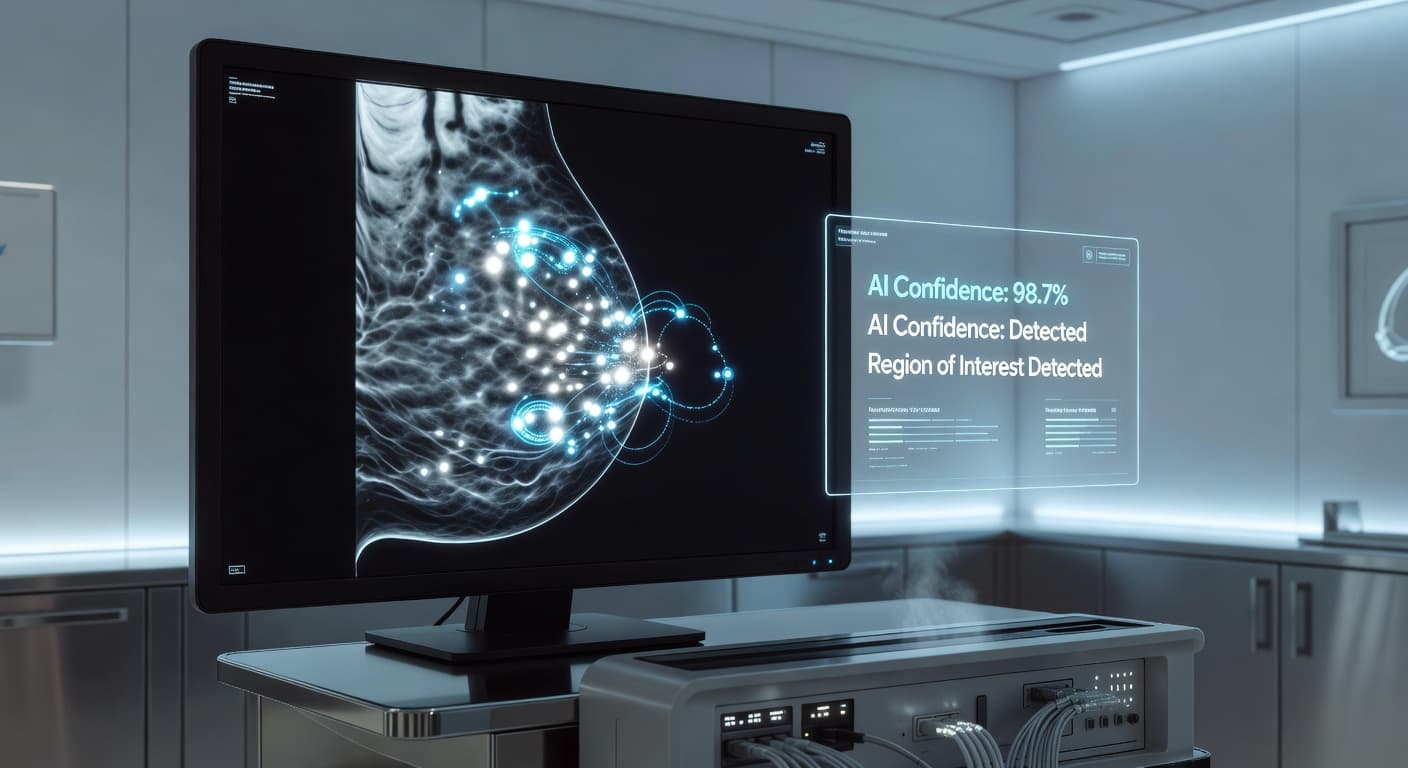
AI screening tools are trained on hundreds of thousands of mammogram images, learning to identify subtle patterns and anomalies that indicate early-stage malignancy. They work as a second reader alongside a radiologist, flagging areas of concern for closer review.
The AI doesn't replace the radiologist — it augments them, catching things that a tired human eye might miss after reviewing dozens of scans in a session. Think of it as a co-pilot that never fatigues.
What It Means for the NHS
Breast cancer screening programmes already face significant pressure. There is a shortage of radiologists, and the volume of scans to be reviewed is substantial. AI-assisted screening offers a potential solution to both problems: improving accuracy while reducing the per-scan burden on human reviewers.
If a 10% improvement in detection translates to clinical deployment at scale, the impact in terms of lives saved and treatment costs reduced would be considerable. Early-stage cancer treatment is dramatically cheaper and more effective than late-stage intervention.
The technology is not without its critics — concerns about false positives, over-diagnosis, and the psychological cost of unnecessary follow-up procedures remain live debates. But on the headline number, this is a meaningful step forward.
Source: BBC News
Comments
Loading comments...