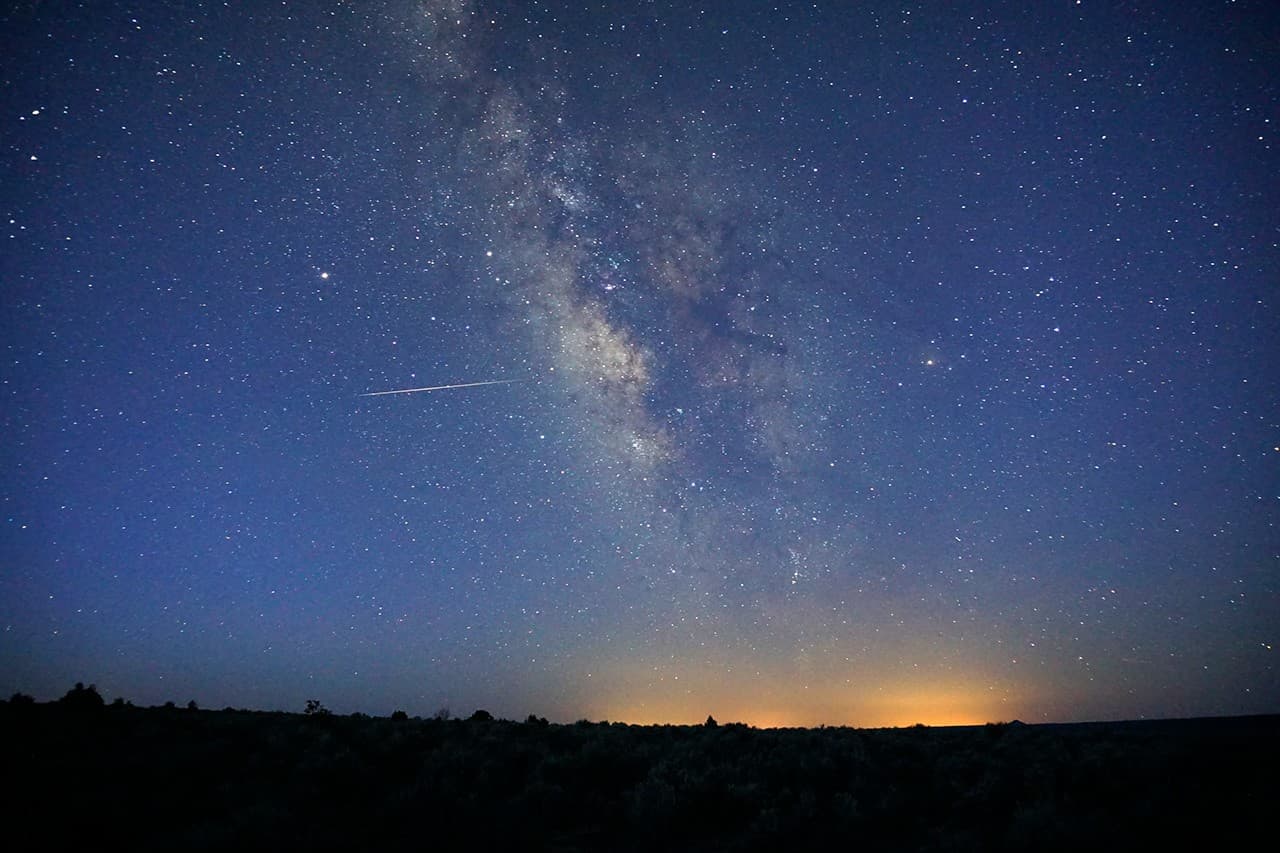
Astrophotography
April 2026 Skywatching Guide: Mercury, Meteors, and a Comet
April 2026 offers exceptional opportunities for skywatchers and astrophotographers across the Northern Hemisphere. With Mercury at its peak visibility, the Lyrid meteor shower peaking, and a bright new comet making its closest approach to Earth, the April night sky is packed with celestial events worth observing.
Mercury at Its Brightest
On April 3rd, Mercury reaches its greatest elongation—its furthest angular distance from the Sun as seen from Earth—making it easier to spot the typically elusive planet. Look east before sunrise, scanning just above the horizon where Mercury will shine brightly. This is the best viewing window for the year to observe this innermost planet with the naked eye or binoculars.
The Lyrid Meteor Shower Peaks
The Lyrid meteor shower, one of the oldest known meteor showers (recorded observations date back to 2700 BCE), reaches its peak on April 21st and 22nd. Under dark skies, observers can expect up to 20 meteors per hour as Earth passes through the debris trail left behind by Comet Thatcher.
To maximize your viewing:
- Find a location away from light pollution (Bortle 5 or darker)
- Look to the east, near the star Vega in the constellation Lyra
- Start observing around 10 p.m. and watch through the night
- Allow 30 minutes for your eyes to adapt to darkness
- Bring comfort items—meteor watching requires patience and stillness
Comet C/2025 R3: The Potential Showpiece
A bright new comet has appeared in April's evening sky, and some observers believe it could be the brightest comet of 2026. On April 27th, Comet C/2025 R3 makes its closest approach to Earth, passing within 44 million miles of our planet.
Predicted to reach magnitude 8, the comet requires binoculars or a telescope to observe comfortably. Look in the eastern sky in the constellations Pegasus and Pisces during predawn hours from mid-April through the end of April in the Northern Hemisphere. Observers in the Southern Hemisphere should watch evening skies in early May.
Key dates:
- April 17: Best opportunity to observe the comet
- April 27: Closest approach to Earth
- Mid to late April: Optimal viewing window
Practical Tips for Astrophotography
For those with imaging equipment:
- Mercury: Daytime imaging is possible with proper filters and careful tracking
- Lyrid meteors: Wide-field imaging (12-24mm focal length) works well; ISO 1600-3200, 15-25 second exposures
- Comet: Use tracking mounts to capture detail; expect motion during longer exposures
The April night sky is an invitation to get outside and look up—whether with naked eyes, binoculars, or through a telescope's eyepiece.
Source: NASA What's Up: April 2026
Comments
Loading comments...