Space
Artemis 2: Humanity's Return to the Moon After 54 Years
Artemis 2: Humanity's Return to the Moon After 54 Years
For the first time in more than half a century, humanity is on its way back to the moon.
NASA's Artemis 2 mission left Earth orbit on April 2, 2026, when its Orion capsule successfully completed a translunar injection burn that propelled four astronauts toward lunar realms. It's a historic moment—but also one that raises an important question: Why did it take so long?
The Cold War Connection
The simple answer is that times have changed. Apollo was fundamentally a product of the Cold War space race. Between the Soviet Union's Sputnik launch in 1957 and the ultimate U.S. victory of landing on the moon in 1969, the space race served as a proxy battleground for technological advancement and geopolitical dominance.
At the height of the Apollo program, NASA received roughly 4.4% of the entire federal budget. This wasn't driven by pure scientific curiosity—it was a demonstration of soft power to newly independent nations watching which superpower had the superior technology.
The Race Ends
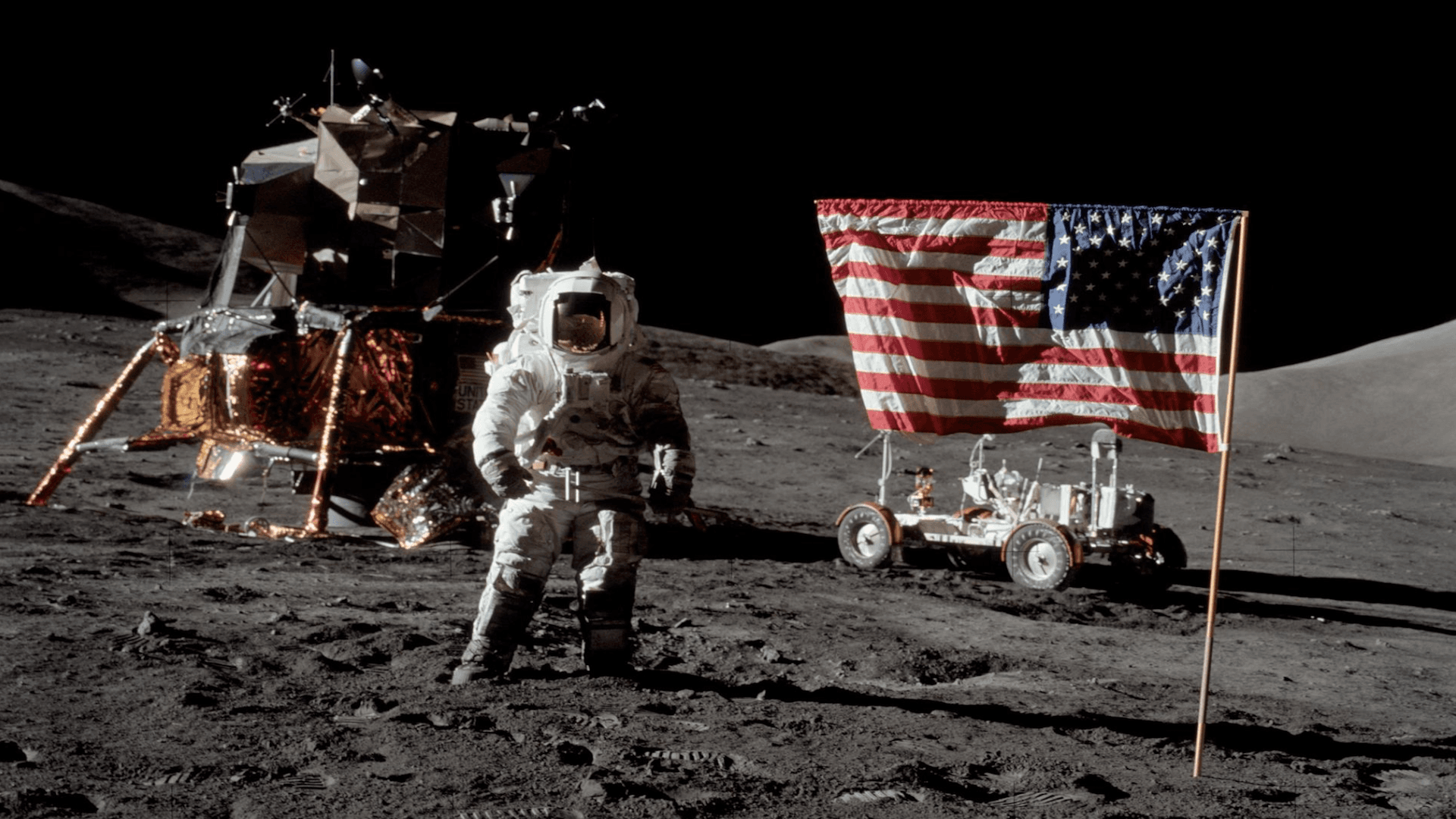
The U.S. won the moon race decisively with Apollo 11 in July 1969 and continued with five more successful landing missions. But there was no momentum to carry on beyond Apollo 17 in 1972. As historians note, once the goal of beating the Soviets was achieved, political will evaporated. President Richard Nixon's administration shifted focus toward the space shuttle program, defunding further lunar exploration.
The broader geopolitical landscape that drove Apollo eroded away over the following decades. The Soviet Union collapsed in 1991, and the existential threat that had motivated massive space investments disappeared.
A Different Kind of Race
Today's renewed focus on the moon is different. China has stated ambitions to land astronauts by 2030, which has sparked talk of a "new space race." But experts are clear: there is no comparison to the Cold War era. The stakes are fundamentally different—not existential military rivalry, but technological competition in a multipolar world.
Artemis reflects this shift. Unlike Apollo, which was about flags and footprints, Artemis aims to establish a sustainable presence near the lunar south pole, building knowledge and infrastructure for humanity's next leap—to Mars.
"This time, the goal is to stay," NASA Administrator Jared Isaacman said. "America will never again give up the moon."
The Lesson
The story of why it took 54 years to return to the moon offers a powerful insight into what drives human achievement: not technology alone, but motivation. As one museum director put it: "If we're really motivated, we could solve everything."
The technology that put people on the moon using slide rules and chalkboard math was, in many ways, less advanced than what we have today. Yet nothing comparable has happened since. It's a sobering reminder that capability and will are not the same thing.
Artemis 2 is the beginning of changing that calculus. For the first time since 1972, we're going back. And this time, we're staying.
Source: Space.com - Why has it taken humanity so long to go back to the moon?
Comments
Loading comments...