Space
Atlas V Launches Record 29 Amazon Satellites
Atlas V Launches Record 29 Amazon Satellites: Heaviest Payload Ever
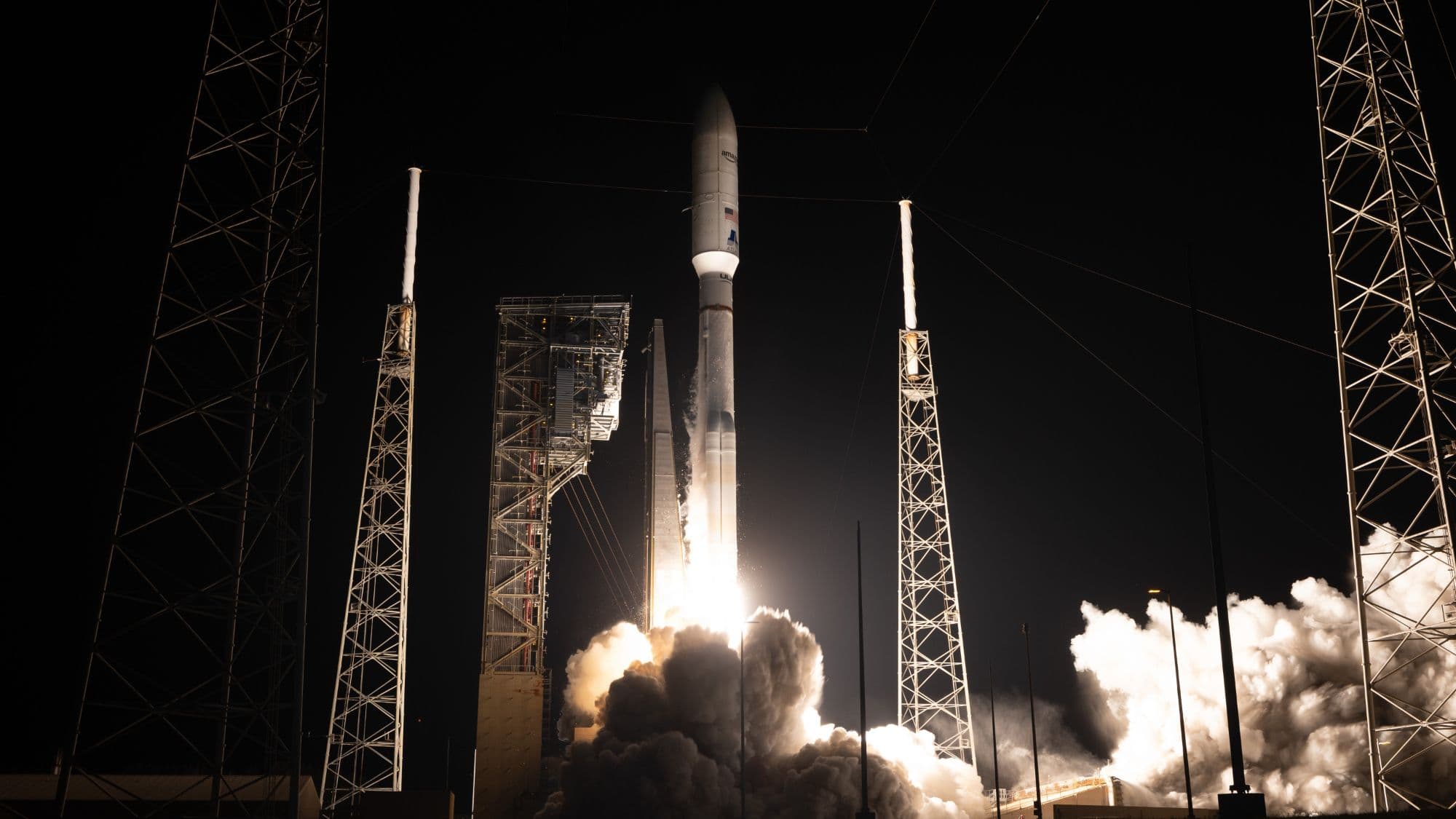
The United Launch Alliance's Atlas V rocket launched its heaviest-ever payload on Saturday morning, lifting 29 Amazon internet satellites into orbit in a historic feat of aerospace engineering.
The mission, designated LA-05, launched at 1:46 a.m. EDT from Cape Canaveral Space Force Station in Florida, carrying nearly 18 tons of Amazon Leo broadband satellites—more than any previous Atlas V mission.
Breaking Records
This was the first time an Atlas V has successfully deployed 29 Amazon Leo satellites; previous operational missions carried 27. The increase in payload capacity was achieved through detailed engineering work between Amazon and ULA, specifically enabled by a new, higher-performing version of the RL10C engine on the Centaur upper stage.
"While the engine has flown on previous missions, LA-05 marks the first time the program has completed the extensive engineering and safety analysis required to use it with our larger payload," Amazon representatives noted.
Building Out Amazon Leo
The Amazon Leo megaconstellation—previously known as Project Kuiper—will eventually consist of about 3,200 satellites in low Earth orbit. It's Amazon's direct answer to SpaceX's Starlink network, which now has more than 10,000 operational satellites beaming broadband coverage across the globe.
Amazon Leo is still in its early deployment phase. This launch brought the total number of operational Amazon satellites to approximately 270 across nine launches (not counting a 2023 test mission). Five of those launches have used the Atlas V, while three used SpaceX's Falcon 9 and one used Arianespace's Ariane 6.
The Constellation Race
The competition to deploy global broadband constellations is intensifying. Starlink's vast network has already demonstrated the viability of satellite internet, with speeds and latency competitive with terrestrial services. Amazon's Leo aims to offer a complementary service—another option in the satellite broadband market.
With 270 satellites now in orbit and more launches planned, Amazon is accelerating its deployment schedule. The successful LA-05 mission demonstrates that multiple launch providers can efficiently support the company's ambitions, reducing dependency on any single rocket.
This Saturday morning's launch was more than just another satellite deployment—it was proof that commercial spaceflight has matured to the point where launching record-breaking payloads is becoming routine.
Source: Space.com - Atlas V rocket launches its heaviest-ever payload
Comments
Loading comments...