Space
Artemis III: NASA's Lunar Dream Takes Shape With New Crew Announcement
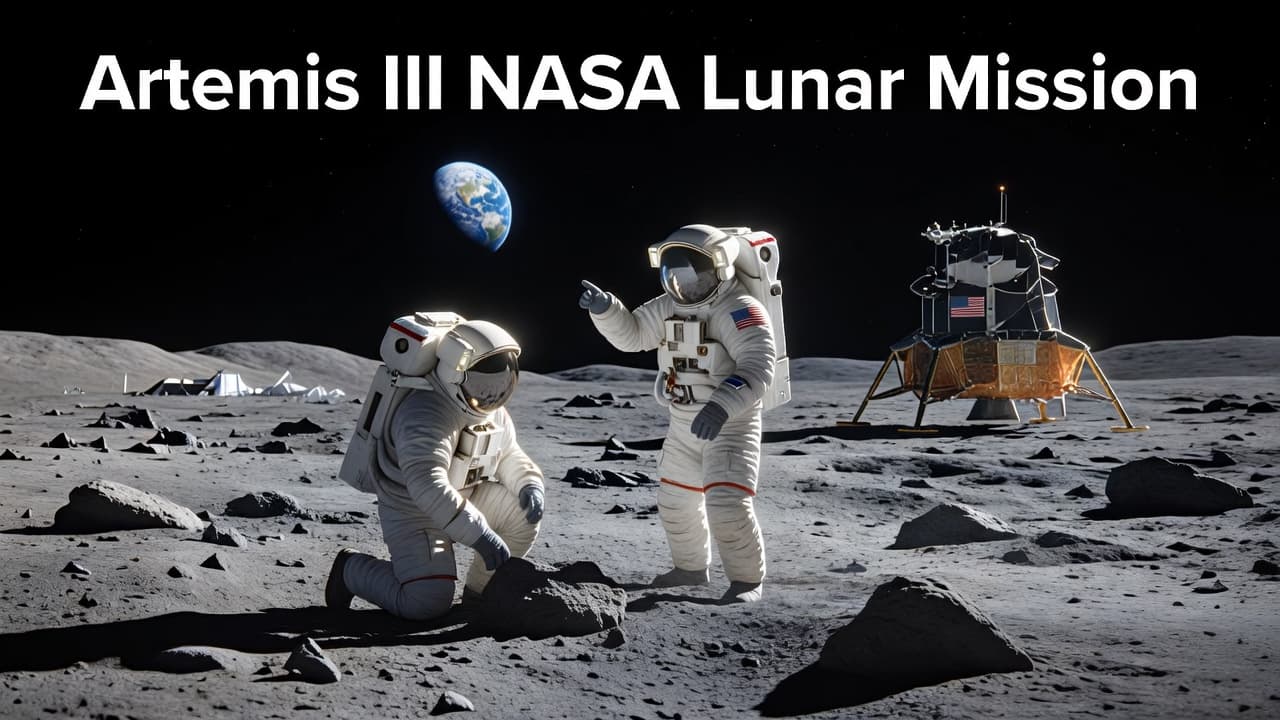
Artemis III: NASA's Next Giant Leap
NASA has announced its refined architecture for the Artemis program, with Artemis III now targeted for 2027 and promising to land American astronauts on the lunar surface by early 2028 — the first crewed lunar landing since Apollo 17 in 1972.
The Crew
The Artemis III crew was revealed to include:
- Randy Bresnik (Commander) — NASA astronaut with extensive spaceflight experience
- Luca Parmitano (Pilot) — ESA astronaut from Italy
- Andre Douglas (Mission Specialist) — NASA astronaut
- Frank Rubio (Mission Specialist) — NASA astronaut
The Mission
Rather than heading straight for the surface, Artemis III will first test critical rendezvous and docking capabilities in low Earth orbit. The crew will launch aboard NASA's Space Launch System (SLS) rocket in Orion, then demonstrate the ability to dock with commercial lunar landers from SpaceX and Blue Origin. This is a crucial validation step before attempting the actual landing.
Once systems are proven, Artemis IV will make the historic landing at the lunar South Pole, a region that holds water ice deposits and unprecedented scientific opportunities.
Architecture and Timeline
NASA has standardized its Space Launch System configuration and committed to increased mission cadence, targeting one lunar mission per year. The agency is also evaluating alternative options for SLS's second stage to improve efficiency and reduce costs.
The South Pole landing site was chosen for good reason: permanently shadowed craters contain water ice billions of years old, resources that could support sustained lunar exploration and future human missions to Mars.
Why This Matters
After more than 50 years, humanity is poised to return boots to the Moon. Unlike Apollo, which was a space race sprint, Artemis is designed for sustainability — establishing a presence that will serve as both a scientific outpost and a proving ground for deep space exploration technology.
The 2027-2028 timeline is ambitious but achievable, reflecting NASA's determination to maintain American leadership in space exploration as international competitors, particularly China with its Chang'e program, advance their own lunar ambitions.
Source: NASA
Comments
Loading comments...