Gaming
Games with Loot Boxes to Get Minimum Age 16 Rating Across Europe
Europe Takes Aim at Gaming Loot Boxes
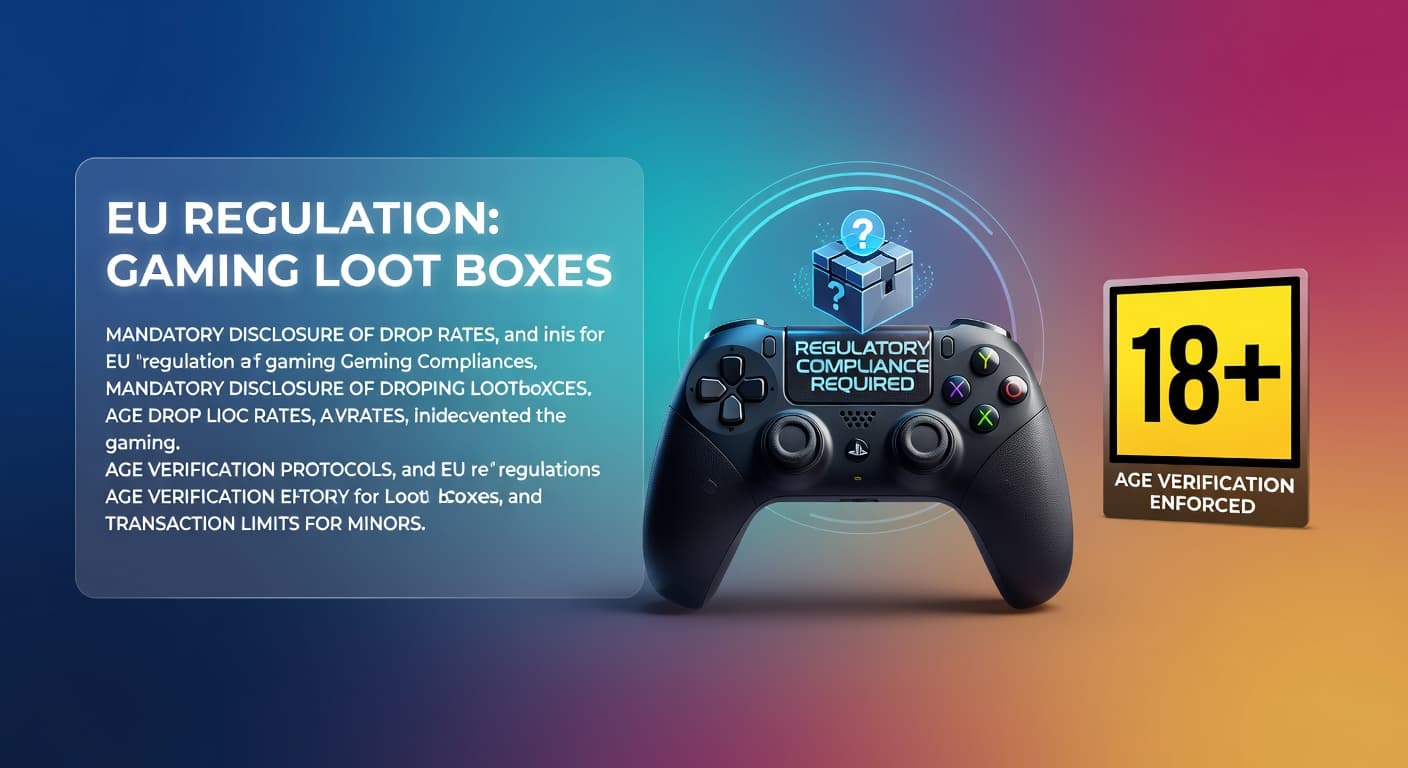
In a significant move for player protection and transparency, European regulators have announced a blanket minimum age rating of 16 for any video game featuring loot boxes — randomised reward mechanics that critics argue operate on gambling-like principles.
The decision comes after years of concern from parents, researchers, and player advocacy groups about the potential for loot box systems to exploit younger players and create spending habits that resemble gambling addiction.
What Are Loot Boxes?
Loot boxes are in-game reward systems that offer players randomised items — cosmetics, weapons, character skins, or gameplay advantages — in exchange for either in-game currency earned through play or real money. Players do not know what they will receive until after purchase, making the mechanic functionally similar to gambling.
Major titles including FIFA, Fortnite, Counter-Strike, and Overwatch have built significant revenue models around loot box sales, sometimes generating billions in annual revenue from these systems alone.
The Regulatory Response
European authorities, particularly in the UK, Germany, and Scandinavia, have increasingly scrutinised loot boxes as a consumer protection issue. The new age 16 rating moves beyond recommendation — it will be enforceable across EU member states and the UK through existing age rating systems.
Publishers will be required to clearly label any game containing loot boxes and will face stricter marketing restrictions on youth-targeted platforms.
Industry Impact
The ruling affects some of the world's highest-grossing games. Publishers have begun exploring alternatives: cosmetic-only loot boxes, guaranteed drop rates, or direct purchase options that eliminate randomisation.
Players in affected regions will likely see changes to how games are monetised, though many publishers argue the restrictions may push development budgets away from European markets.
A Broader Pattern
This move reflects a wider trend of regulatory intervention in digital media aimed at protecting children. Warnings from child psychologists about addiction mechanics in online games have finally prompted legislative response — something the industry has resisted for over a decade.
Comments
Loading comments...