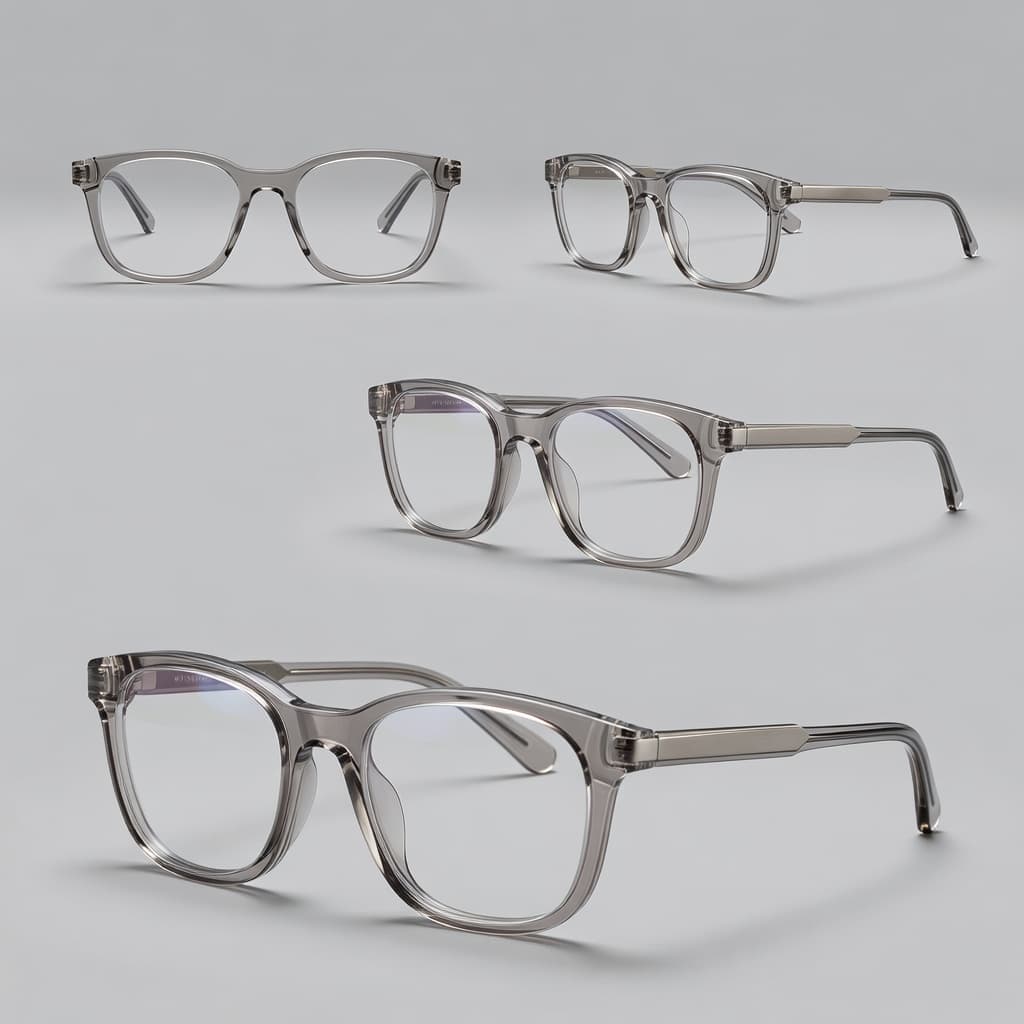
Google Launches Android XR Smart Glasses with Gemini AI
Google Launches Android XR Smart Glasses with Gemini AI
At Google I/O 2026, the company unveiled a new era of wearable computing: intelligent eyewear powered by Gemini AI, developed alongside Samsung and Qualcomm's Android XR platform.
Two Types of Intelligent Eyewear
Google is bringing two variants to market:
- Audio glasses launching first in fall 2026, featuring spoken Gemini assistance delivered through private over-ear speakers
- Display glasses coming later, showing contextual information directly in your field of view
Both designs are crafted through partnerships with eyewear specialists Gentle Monster and Warby Parker, prioritizing all-day comfort and style over clunky prototype aesthetics.
What You Can Actually Do With Them
The functionality goes beyond gimmicks:
- Ask about what you see: Identify restaurants, cloud formations, or decode confusing parking signs by pointing and asking
- Navigate without looking down: Spatial awareness provides natural turn-by-turn directions with context about your surroundings
- Stay connected hands-free: Manage texts, calls, and music without touching your phone
- Snap and edit photos: High-quality image capture with one-tap background removal and creative transformations
- Real-time translation: Speech and text translation with natural voice synthesis matching the speaker's tone
- Multi-step task automation: Order coffee through Doordash while your phone stays in your pocket
The Technical Foundation
These glasses run Android XR, Google's platform built specifically for spatial computing. They pair with both Android and iOS phones, giving them flexibility—you're not locked into Google's ecosystem.
The partnership with Samsung and Qualcomm signals serious hardware engineering, not a rushed prototype. Qualcomm's expertise in mobile processing power and Samsung's manufacturing scale provide the foundation for this to actually work at scale.
Why This Matters
Google Glass was too early, too socially awkward, and too limited. A decade later, the context has changed:
- AI assistants are now capable enough to be useful for real tasks, not just gimmicks
- Smartphone fatigue is real—people are actively seeking alternatives to constant screen time
- Eyewear has become a fashion statement, not a tech liability
Meta's Ray-Bans have already sold 7 million pairs, proving the market exists. Google's re-entry with Gemini integration, partnerships with real eyewear brands, and a phased rollout approach suggests they learned from the Glass era.
The privacy concerns remain valid—people filming each other without consent is a real problem that needs solving. But the hardware itself represents a genuine leap forward in wearable AI interfaces.
Source: Google Blog - Android XR
Comments
Loading comments...