Space
Japan's RV-X: Successful Test Flight Marks Progress in Reusable Rocket Development
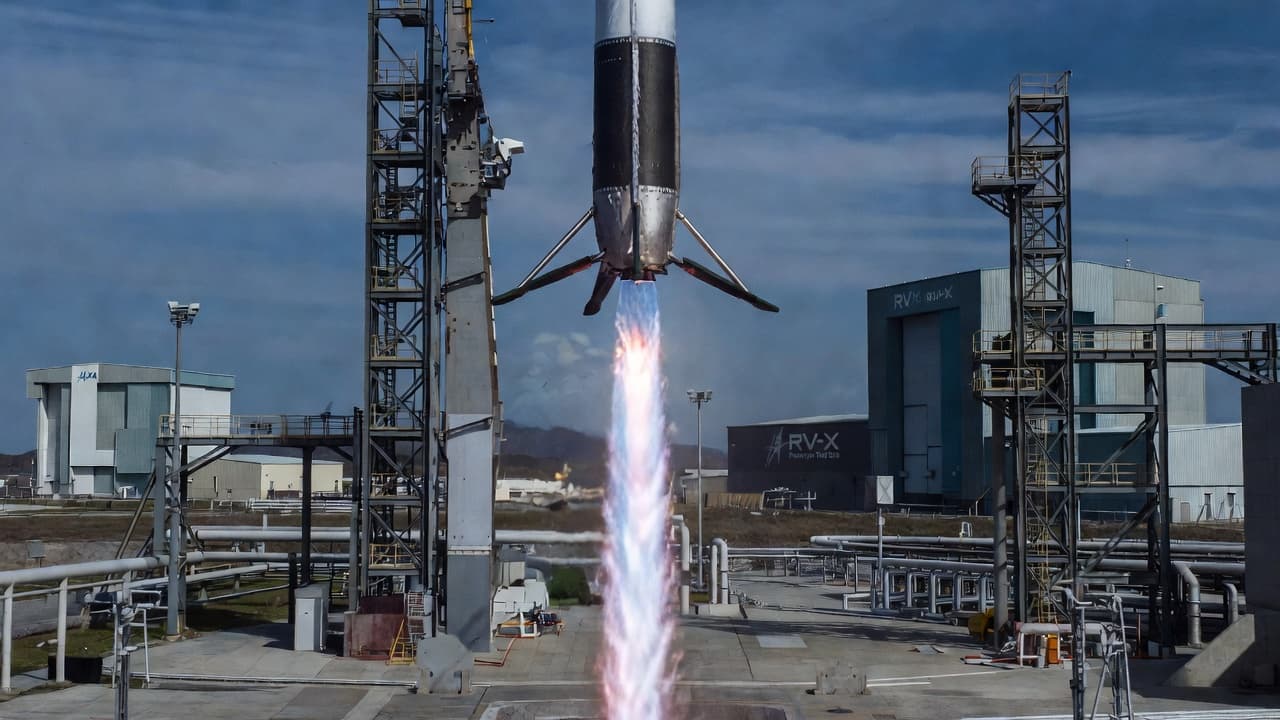
Japan's space industry achieved a significant milestone with the successful test launch and landing of the RV-X prototype reusable rocket, marking important progress in the nation's efforts to develop indigenous reusable launch vehicle technology.
Technical Achievement
The RV-X prototype, developed by Japanese aerospace engineers, successfully:
- Achieved vertical launch with staged propulsion
- Demonstrated controlled ascent through the atmosphere
- Executed precision landing procedures with extended landing legs
- Recovered the booster for inspection and reuse assessment
Strategic Importance
This test flight represents a critical step for Japan in several ways:
Space Independence: Reduces reliance on international launch providers and strengthens domestic space capabilities.
Cost Reduction: Reusable boosters can significantly reduce per-launch costs compared to expendable rockets.
Commercial Viability: Demonstrates technology needed for future commercial orbital services.
Global Context
Japan now joins an exclusive group of nations with operational or near-operational reusable rocket technology, alongside the United States (SpaceX) and China (Long March boosters), positioning the nation as a major player in future space transportation.
Next Steps
Following the successful test, engineers will analyze flight data and plan subsequent test flights aimed at operational readiness within the next few years.
Comments
Loading comments...