Space
SpaceX Starship Flight 13: Development Continues Toward Operational Moon Missions
SpaceX continues its rapid development cadence with Starship, the fully reusable super-heavy-lift launch vehicle designed to support human missions to the Moon and Mars.
Flight 13 Overview
Flight 13 of the Starship integrated stack represents the continuation of iterative testing that began in 2023. Each flight builds on data from previous tests, with engineers implementing improvements to systems and procedures.
Development Objectives
Recent Starship flights have focused on:
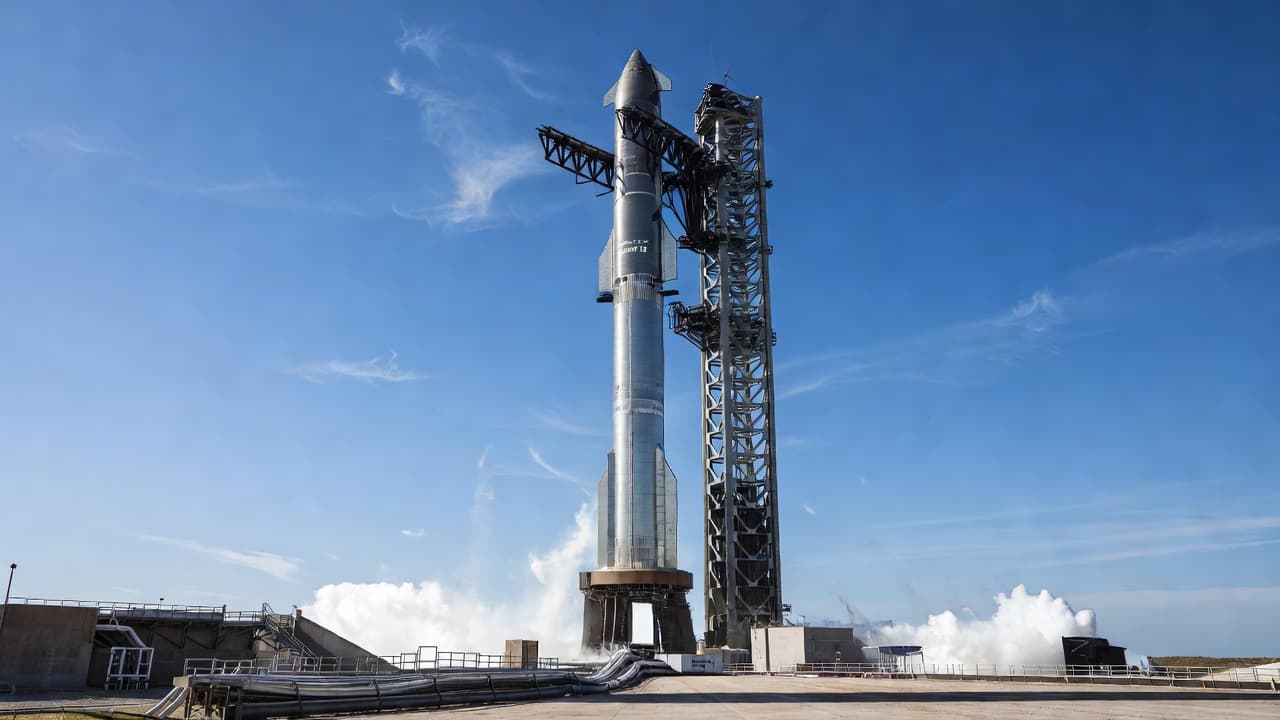
Booster Recovery: Perfecting the technique of catching the Super Heavy booster with the launch tower's "chopstick" arms, demonstrating rapid reusability.
Ship Flight Performance: Testing Ship's atmospheric reentry, control systems, and landing procedures for eventual operational missions.
Propellant Transfer: Demonstrating in-orbit refueling capabilities essential for deep space missions.
Payloads: Increasing test payload mass for eventual operational cargo delivery.
Timeline to Operations
SpaceX has maintained an ambitious timeline for operational Starship missions:
- 2025-2026: Continued test flights with increasing complexity
- 2026-2027: Human spaceflight certification tests
- 2027+: Commercial and government lunar cargo missions
Significance for Space Exploration
Starship's success is critical for humanity's return to the Moon and eventual Mars settlement. Its full reusability and massive payload capacity (up to 250 tons to orbit) represent a paradigm shift in space transportation economics.
Source: SpaceX
Comments
Loading comments...