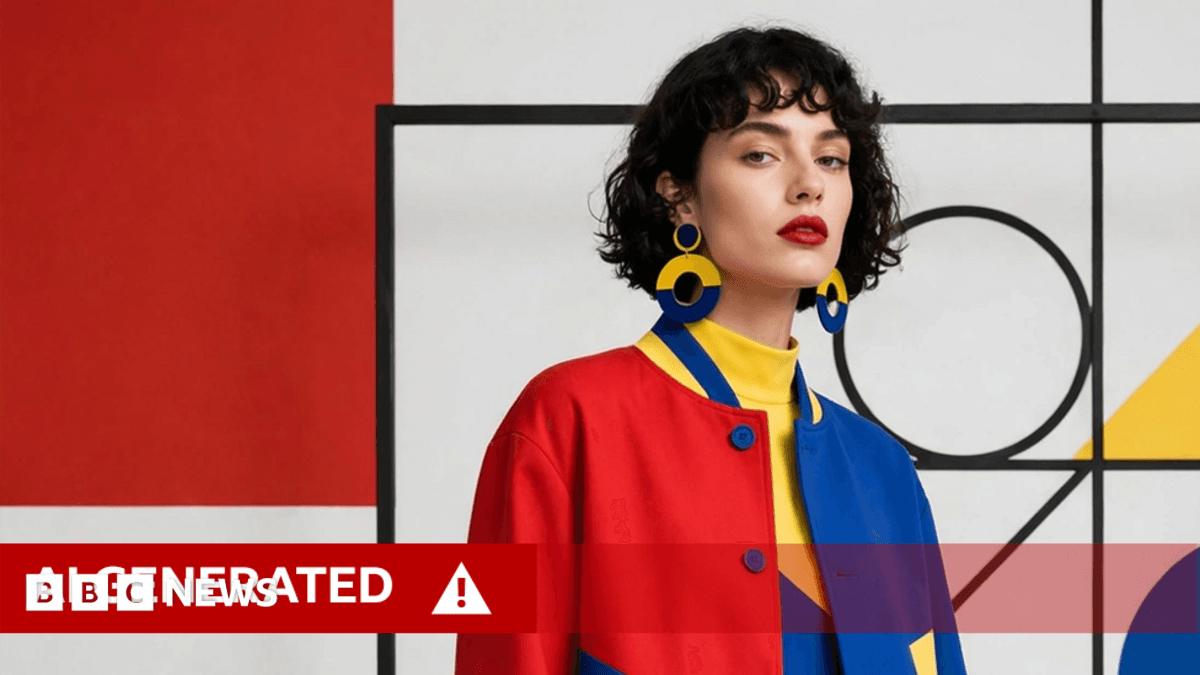
Meta's New AI Tool Sparks Privacy Backlash Over Non-Consensual Image Use
Meta is facing mounting criticism over its new AI image generation feature, Muse Image, which can create synthetic pictures using people's profile photos without their knowledge or explicit permission.
The tool, now available via Meta AI, WhatsApp, Instagram Stories, and web browsers for US users, exemplifies a growing friction point between AI capability and user consent. While Meta insists that users can opt out by adjusting privacy settings, tech justice advocates argue the opt-out approach is fundamentally inadequate.
The Consent Problem
Muse Image works like other text-to-image tools: users write a prompt ("me on a beach at sunset") and the AI generates images incorporating visual elements from publicly available sources—including your Instagram profile picture, without asking first.
Donald Campbell, advocacy director at Foxglove (a tech justice non-profit), called the feature "an obvious recipe for disaster." He pointed to a documented "catalogue of harms from non-consensual AI-altered images on social platforms just in the past year," adding: "It is hard to see why Mark Zuckerberg thinks facilitating yet more of this creepy image manipulation is a good idea."
Privacy International echoed the concern: "The latest sign AI companies see people's images and data as raw material to be exploited. Pulling real users into generated photos without explicit consent is a privacy landmine waiting to detonate."
The feature arrives at a particularly sensitive moment. UK regulator Ofcom is currently investigating X (formerly Twitter) over Grok's role in creating non-consensual AI-altered images—the exact harm Meta is now enabling at scale.
The Opt-Out Loophole
Meta's defense: users can opt out by navigating to Instagram settings, selecting "Sharing and Reuse," and toggling off "Allow people to reuse your content on Instagram and with AI features at Meta." This setting is separate from general account privacy controls and only appears for public accounts. Private accounts are automatically protected.
The problem, critics argue, is that opt-out systems rely on user awareness and friction. Most people won't discover this setting. Those who do must actively opt out. This inverts the principle of consent: the default should be "do not use my image," not "I need to find a hidden setting to prevent it."
Regulatory Scrutiny Ahead
The timing suggests regulatory trouble ahead. The UK's online safety regulator Ofcom is actively investigating the exact same harm—AI-generated non-consensual images. The EU is scrutinizing Meta's AI practices under the Digital Services Act. And state-level regulators globally are examining AI image generation safeguards.
Muse Image represents a broader pattern: Meta deploying AI features first, managing regulatory consequences later. The company appears to be betting that engagement and utility trump privacy concerns. But with Ofcom investigations active and public backlash mounting, that calculus may be shifting.
For users, the message is simple: check your Instagram privacy settings if you don't want your profile photo pulled into AI-generated images. And remember: just because you can opt out doesn't mean the company asking your permission to use your image by default respects your privacy.
Source: BBC News
Comments
Loading comments...