AI
Microsoft Shifts Strategy: New In-House AI Models Challenge OpenAI Dominance
The AI Strategy Shift
At Microsoft Build 2026, CEO Satya Nadella announced a pivotal moment: the company is shifting focus from integrating third-party AI models toward building proprietary frontier models available through Azure.
Meet MAI-Code-1-Flash and MAI-Thinking-1
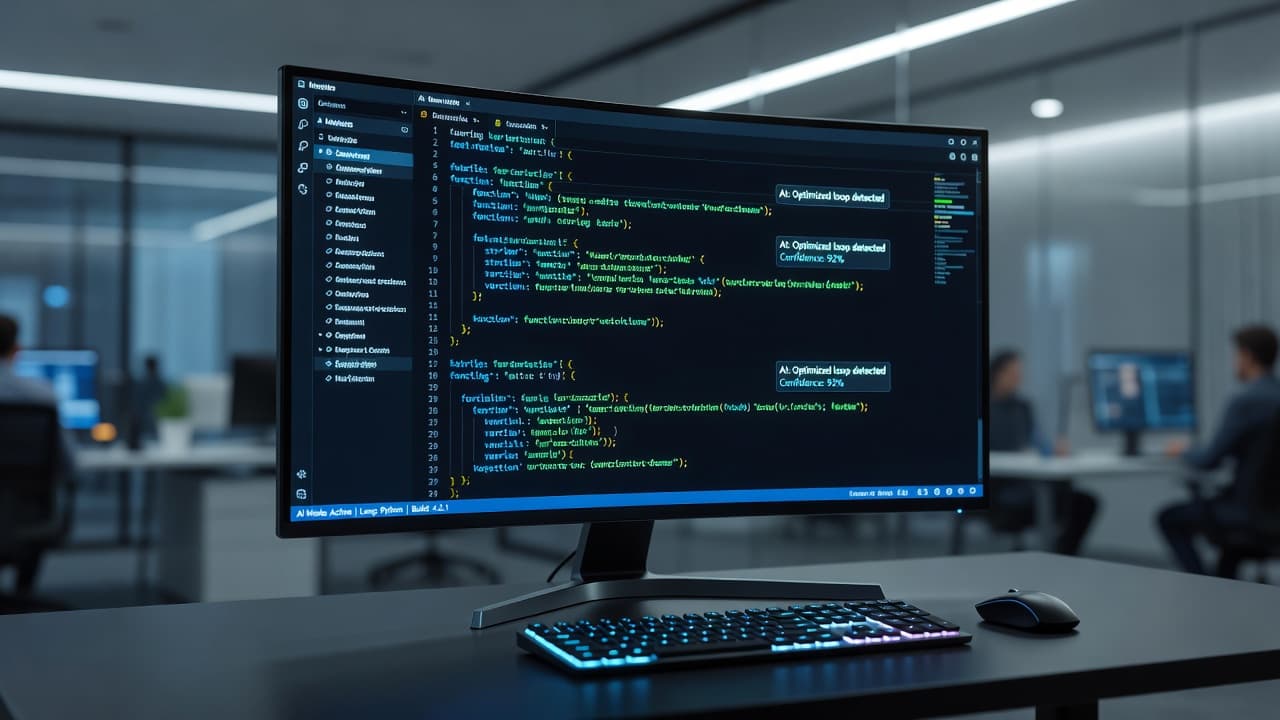
MAI-Code-1-Flash - A coding model that converts natural language descriptions into working source code, now integrated into GitHub Copilot and Visual Studio Code.
MAI-Thinking-1 - A reasoning model designed for complex problem-solving with emphasis on "high efficiency and performance at low-token cost."
Why This Matters
By developing in-house models, Microsoft can:
- Run models on its own infrastructure (avoiding licensing fees)
- Offer developers cheaper alternatives (lower token costs)
- Participate directly at the AI frontier
Nadella stated: "We believe the time has come for every company to move from consuming a frontier model to fully participating in the frontier ecosystem."
The Efficiency Edge
Mustafa Suleyman, CEO of Microsoft AI, claimed that after fine-tuning MAI-Thinking-1 for McKinsey, Microsoft achieved 10x better cost efficiency than OpenAI's GPT 5.5 while maintaining superior accuracy.
Broader Implications
This reflects 2026's dominant trend: agentic AI systems. As LLMs commoditize, the race shifts toward efficient, specialized, task-specific models. Microsoft is positioning itself as a comprehensive AI platform vendor—infrastructure, models, and developer tools integrated.
Also announced: models for speech recognition, synthetic voice generation, image generation, and "Aion" models small enough to run on Windows PCs without cloud connectivity.
The era of single-vendor dominance may be ending.
Comments
Loading comments...