Space
NASA's Artemis 2 Launches April 1: First Crewed Moon Mission in 54 Years
NASA's Artemis 2 Launches April 1: First Crewed Moon Mission in 54 Years
Countdown is on. NASA's Artemis II mission—the first crewed flight around the Moon since Apollo 17 in 1972—is targeted to launch on Wednesday, April 1, 2026, at 6:24 p.m. EDT from Kennedy Space Center in Florida.
The Mission
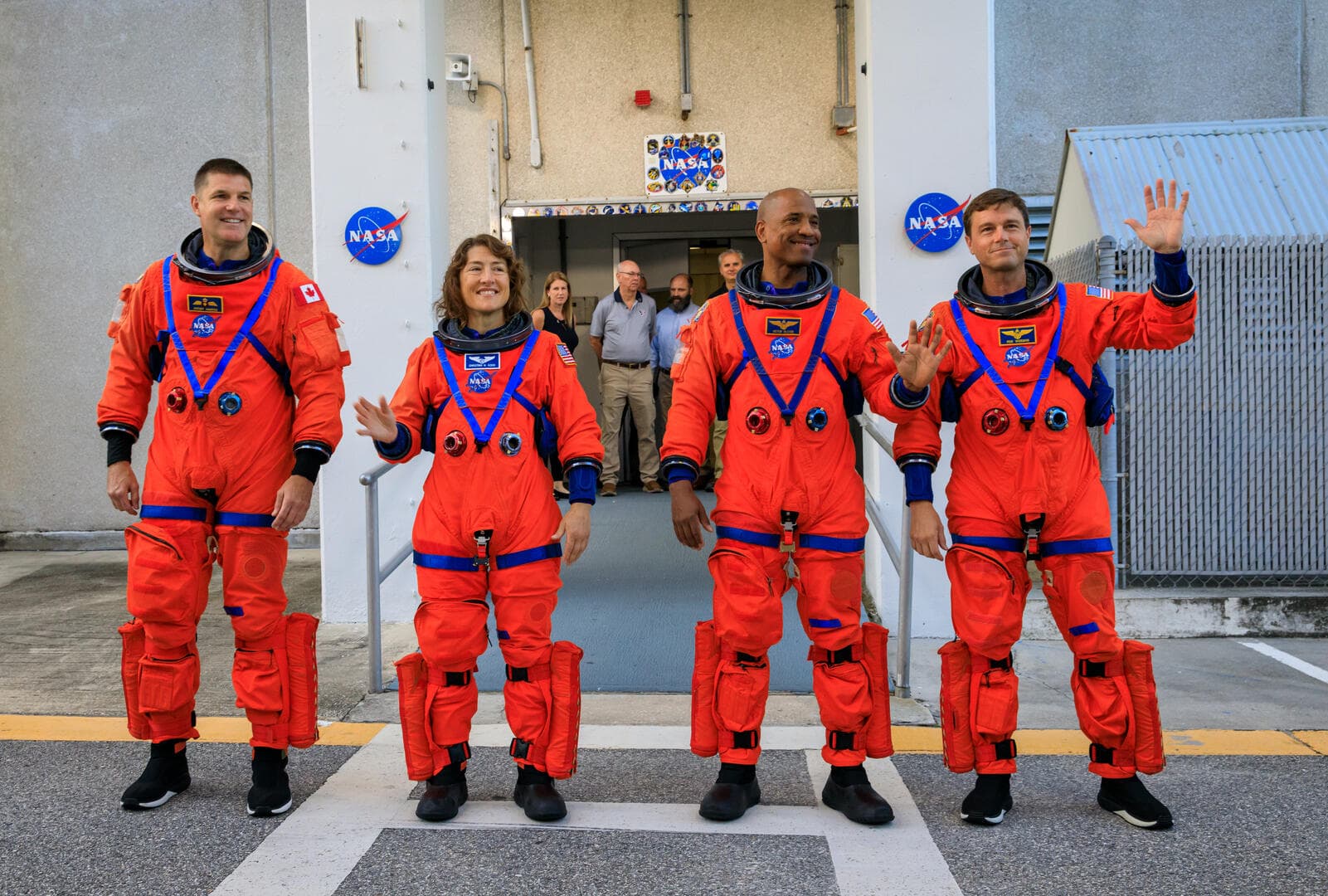
Artemis II will send four astronauts on an approximately 10-day journey around the Moon aboard the Orion spacecraft, powered by NASA's Space Launch System (SLS) rocket. The mission will test critical life support systems with humans aboard for the first time, laying groundwork for future crewed lunar landings under the Artemis program.
The Crew
The four-person crew represents a historic milestone:
- Commander Reid Wiseman — NASA astronaut, leading the mission
- Pilot Victor Glover — NASA astronaut, first person of color beyond low-Earth orbit
- Mission Specialist Christina Koch — NASA astronaut, first woman beyond low-Earth orbit
- Mission Specialist Jeremy Hansen — Canadian Space Agency astronaut, first non-U.S. citizen beyond low-Earth orbit
Mission Timeline
Following a successful rollout to the pad on March 20 and completion of wet dress rehearsals, the crew arrived at Kennedy on March 27. The mission timeline:
- April 1, 6:24 PM EDT — Launch window opens (120-minute window)
- April 2 — Trans-lunar injection burn, crew begins lunar approach
- April 6 (~1:45 PM EDT) — Lunar flyby; crew surpasses Apollo 13's record for farthest distance from Earth (248,655 miles)
- April 10, 8:06 PM EDT — Splashdown in Pacific Ocean
During the lunar flyby, the crew will temporarily lose communications as Orion passes behind the Moon's far side—a crucial test of deep-space operations.
Historic Significance
This mission represents 54 years of technological advancement since Apollo 17. The crew will reach approximately 4,700 miles from the lunar surface at closest approach, gaining critical data on Orion's thermal protection systems and life support for future missions to lunar orbit and surface operations.
How to Watch
Live coverage begins April 1 at 12:50 p.m. EDT on NASA+, YouTube (@NASA), NASA.gov/live, and Amazon Prime Video. Daily mission briefings run throughout the 10-day journey, with crew downlink events broadcast live.
Source: NASA Artemis II Mission Page
Comments
Loading comments...