Space
Russia Plans Return to Venus with Ambitious Venera-D Mission in 2036
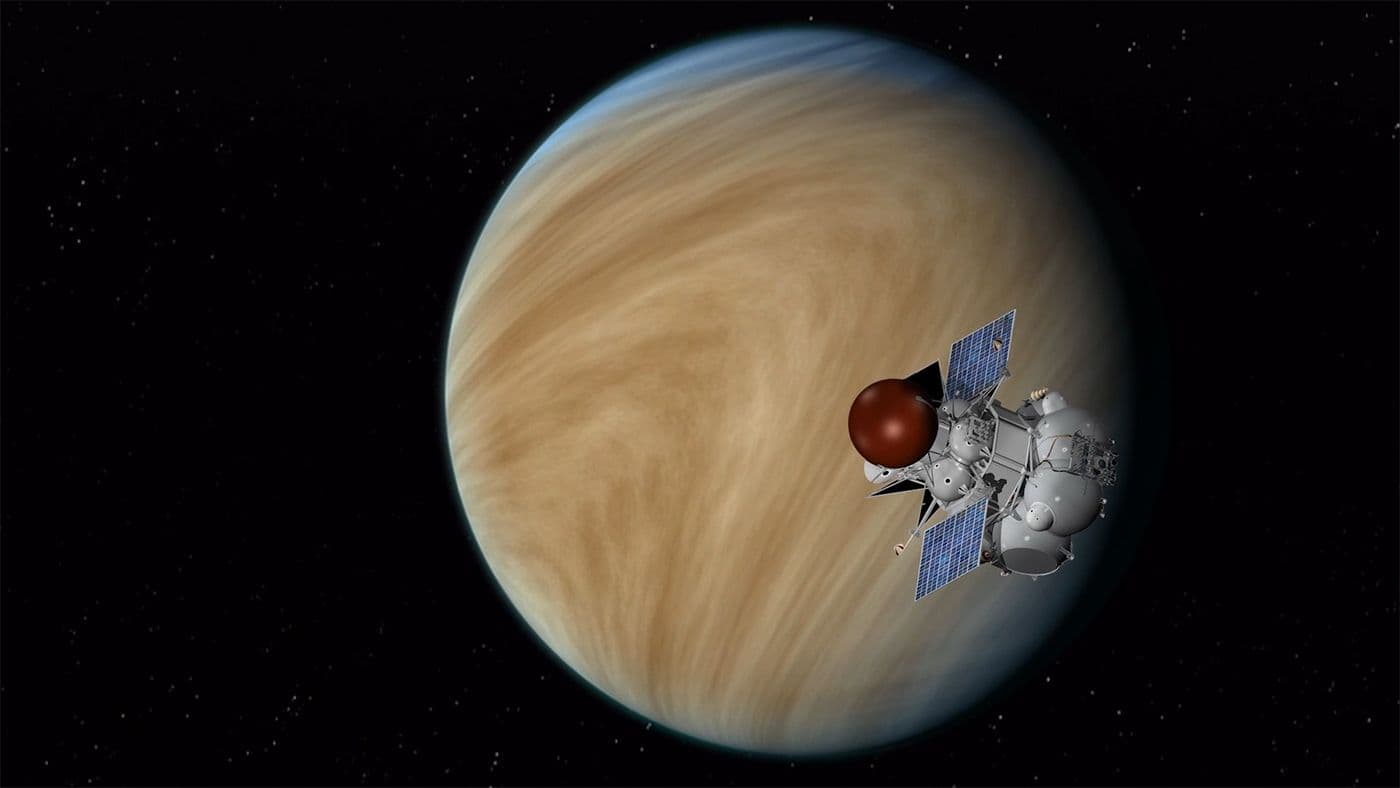
After decades of silence, Russia is turning its eyes back to Venus. Russian state media announced on March 10 that Roscosmos plans to launch Venera-D—a sophisticated multi-vehicle mission consisting of a lander, balloon, and orbiter—to Earth's hellish neighbor in 2036. For a nation that dominated Venus exploration during the Soviet era, this mission represents a return to unfinished business.
The Soviet Legacy
The Soviet Union's Venera program remains humanity's only successful series of Venus surface missions. Between 1961 and 1983, the USSR launched more than a dozen Venera missions. Four of them—Venera 7, 10, 13, and 14—actually landed on the surface and transmitted data from a world where temperatures exceed 900°F (480°C) and atmospheric pressure crushes with the weight of 90 times Earth's sea level.
Venera 7, launched in August 1970, holds the distinction of being the first spacecraft to successfully land on another planet in our solar system. The images those early landers sent back—tinged yellow by sulfuric acid clouds—showed a desolate, volcanic landscape that fascinated and intimidated planetary scientists in equal measure.
Venera-D: A Modern Return
Venera-D aims to build on that legacy with contemporary science. First Deputy Prime Minister Denis Manturov, in an interview with Razvedchik Journal, emphasized the mission's significance: "Back in 1970, our country succeeded in successfully landing a spacecraft on another planet. We will move in this direction first."
One of the mission's primary goals is to search for microbial life in Venus's clouds—a concept that has gained new urgency following disputed recent detections of phosphine and ammonia in the Venusian atmosphere. These compounds are potential biomarkers, though their presence and significance remain contentious in the scientific community.
The Venus Race Heats Up
Russia isn't alone in renewed Venus interest. NASA's VERITAS and DAVINCI missions, which recently survived budget cuts, are also in development. ESA is planning missions, India aims for a Venus orbiter launch around 2028, and private efforts like Rocket Lab and MIT's Venus Life Finder project are pushing toward the 2020s.
The 2036 target gives Venera-D a decade to reach the launch pad. For a nation rebuilding its space capabilities outside traditional partnerships, it's an ambitious but deliberate move—a signal that Venus exploration, once the Soviet Union's domain, remains a frontier worth reclaiming.
Source: Space.com
Comments
Loading comments...