AI
Tinder and Zoom Deploy Biometric 'Proof of Humanity' to Combat AI Deepfakes
The Deepfake Problem Is Here
Artificial intelligence has become disturbingly good at creating convincing fake people. Tinder and Zoom both face escalating problems: romance scams, bot-infested profiles, and increasingly sophisticated deepfake attacks targeting conference participants.
The numbers are alarming. In the US alone, romance scams cost people over $1 billion last year. On Tinder, early estimates suggest up to 30% of profiles encountered by users are AI-enhanced scammers using fake photos and AI-generated chat scripts. Meanwhile, Zoom users have witnessed deepfake attacks that cost a Hong Kong company $25 million when criminals impersonated executives.
Enter World ID: Iris Scanning as Proof of Humanity
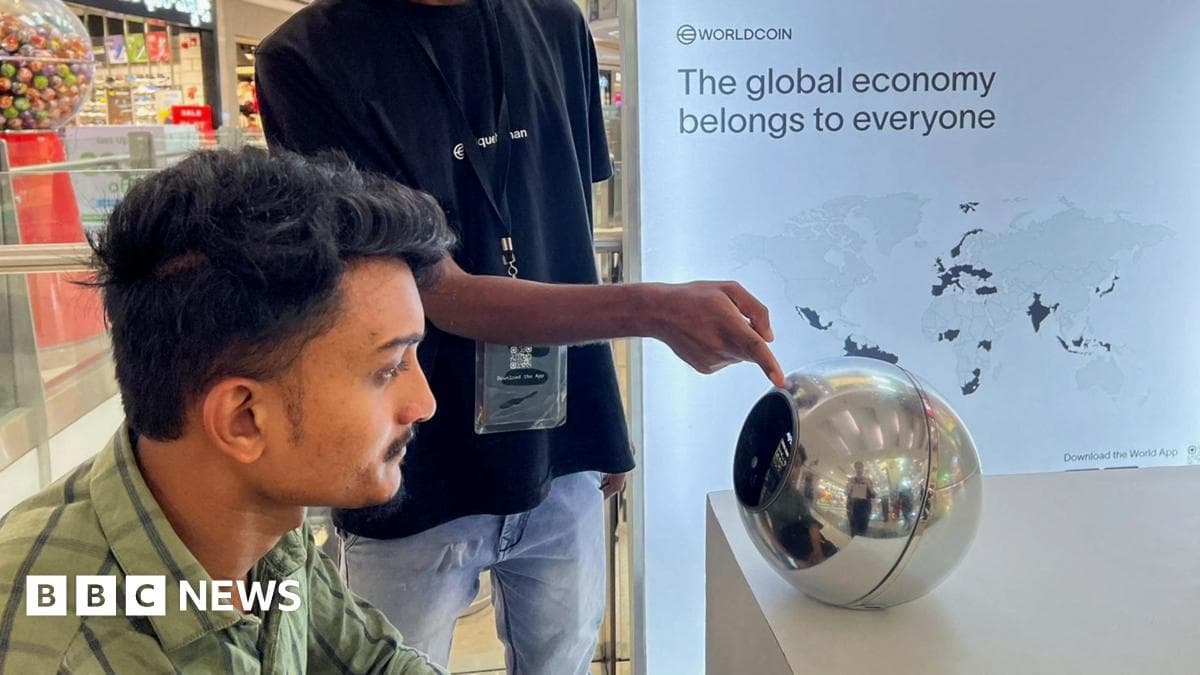
This week, Sam Altman's Worldcoin announced partnerships with Tinder and Zoom that introduce World ID — a biometric verification system based on iris scanning. Users can scan their eyes at one of Worldcoin's designated verification locations, receive a unique World ID credential, and use it to prove they're human across multiple platforms.
The mechanism is straightforward: scan your iris, get verified, receive a cryptographic proof of humanity stored on your phone. On Tinder, the integration appears as an optional verification option. Users who verify can signal to potential matches that they're a real person. On Zoom, participants can display their World ID status to prove they're not deepfakes during high-stakes video conferences.
Why This Matters for AI-Era Authentication
The timing is critical. We're entering an era where synthetic media is indistinguishable from reality. Audio deepfakes, video deepfakes, and sophisticated chatbots mean traditional username/password authentication is no longer sufficient for proving you're human.
Worldcoin's iris-scanning approach has several advantages:
- Hard to fake: Iris patterns are biologically unique and difficult to spoof, even with advanced AI.
- Decentralized: Your World ID is stored locally on your phone, not in a central database Zoom or Tinder controls.
- Portable: One verification works across multiple platforms.
- Privacy-forward: Iris data is processed into a zero-knowledge proof, not stored as raw biometric data.
For Tinder, this could dramatically reduce bot infiltration and romance scams. For Zoom, it adds a layer of authenticity to high-stakes business meetings where deepfake attacks pose real financial risk.
The Larger Picture
This represents a watershed moment: the first mainstream deployment of biometric verification specifically designed to combat AI. As synthetic media capabilities accelerate, we should expect more platforms to adopt similar "proof of humanity" systems. The question isn't whether biometric verification becomes standard — it's how quickly.
Worldcoin's partnership strategy positions iris scanning as the standard. But other approaches (blockchain-based verification, cryptographic proofs, federated identity systems) are inevitable as the arms race between AI forgery and human verification intensifies.
Source: BBC News - Tinder and Zoom offer 'proof of humanity' eye-scans to combat AI
Comments
Loading comments...