Space
NASA's Next-Gen Mars Helicopters Push the Limits
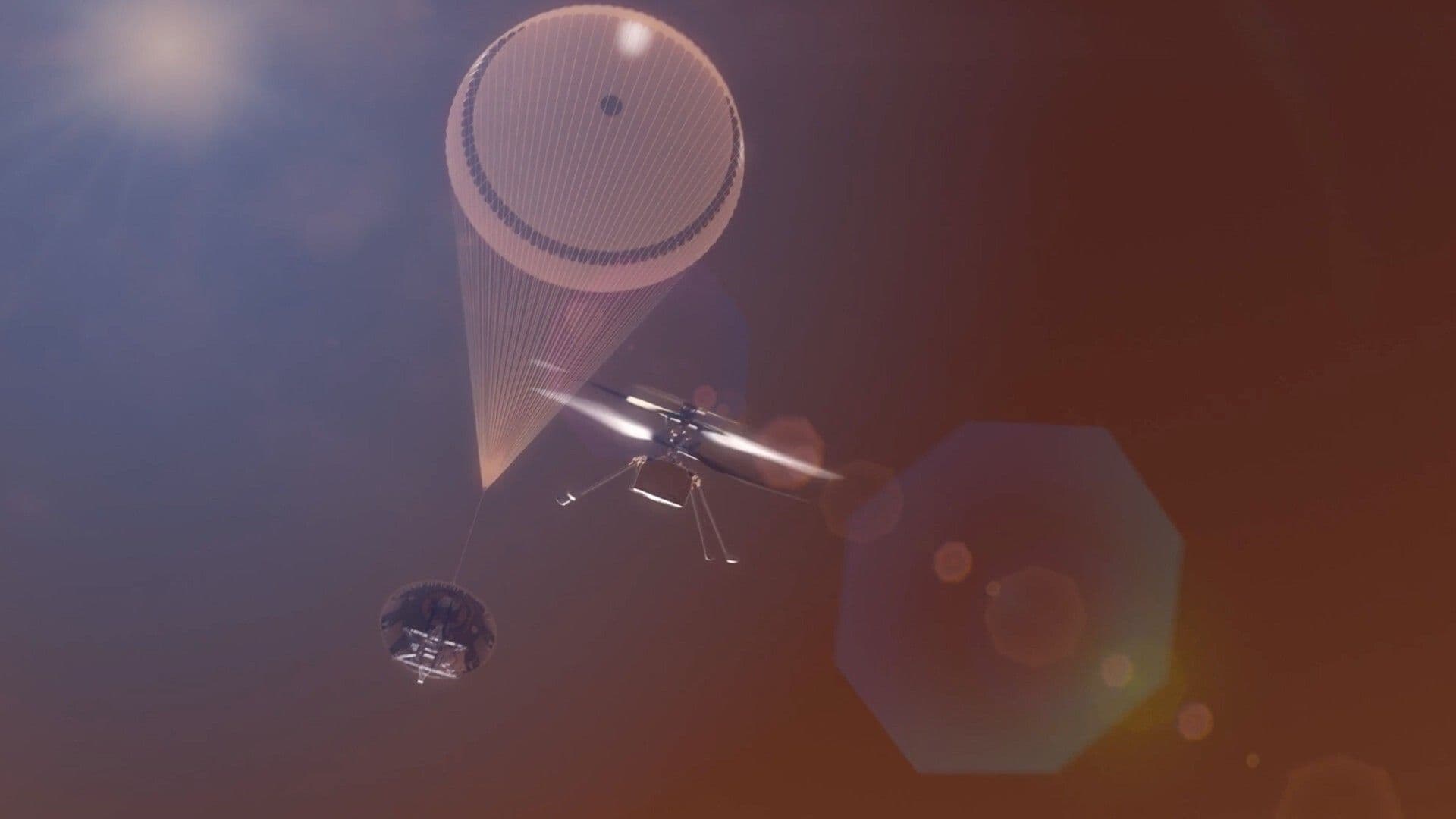
NASA is pushing the boundaries of what's possible in Martian aviation. The space agency is developing a next-generation fleet of helicopters designed to scout terrain for future Mars exploration missions, with a concept known as "Skyfall" that would deploy up to six scout helicopters from the air.
Engineering the Impossible
The challenge is formidable: Mars's atmosphere is just 1% as dense as Earth's, requiring helicopter rotors to spin far faster to generate sufficient lift. Recent testing has shown these rotors exceeding supersonic speeds—pushing past Mach 1 to achieve the aerodynamic efficiency needed in the thin Martian air.
"We're testing the limits of what future Mars aircraft can do," says Leonard David, reporting on NASA's innovative approach. The rotors must not only survive extreme velocities but maintain precision control in an environment where traditional aerodynamic assumptions break down.
The Skyfall Concept
The proposed mission architecture involves dropping multiple small helicopters from a descending platform, allowing them to operate independently as scouts. This distributed approach offers several advantages: redundancy, wider coverage area, and the ability to investigate multiple sites of scientific interest simultaneously.
Each helicopter would be autonomous, equipped with cameras and sensors to map terrain and identify sites of geological or biological interest before human missions arrive.
What This Means for Mars Exploration
Successfully deploying these helicopters would represent a major milestone for planetary exploration. The Ingenuity helicopter proved the concept was viable; now NASA is scaling up the technology and pushing it further. By the 2030s, we could see fleets of Martian drones working in concert with rovers and human explorers.
For space enthusiasts and engineers, it's a fascinating example of how aerospace innovation adapts to entirely different planetary conditions. The same ingenuity that works on Earth requires complete reimagining for Mars.
Source: Space.com - NASA Mars Helicopter
Comments
Loading comments...