Space
SpaceX Falcon Heavy Returns to Flight After 18-Month Hiatus
Falcon Heavy Roars Back: SpaceX's Heaviest Rocket Returns to Flight
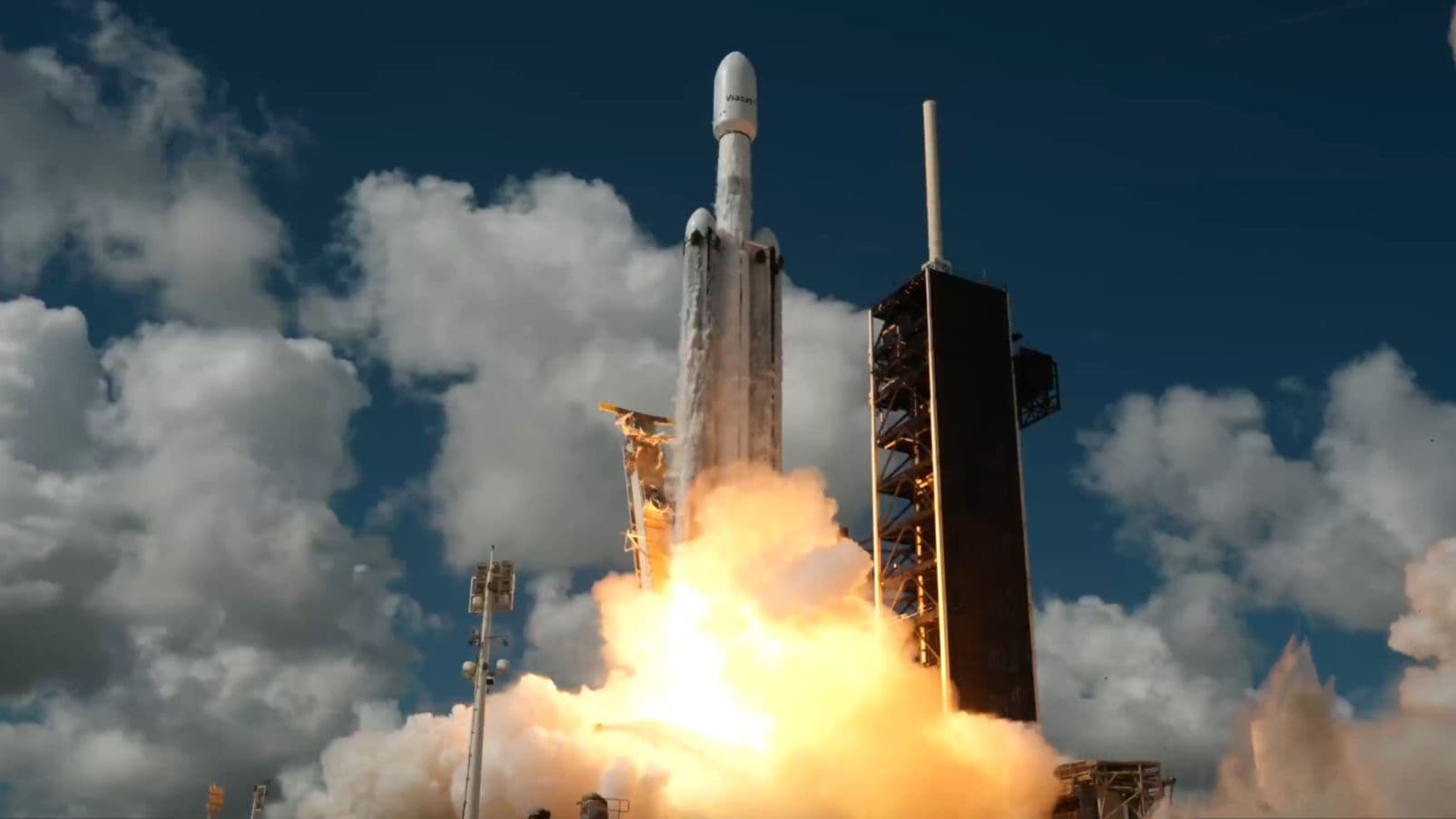
On April 29, 2026, SpaceX's Falcon Heavy rocket thundered to life from Kennedy Space Center, marking its first launch in 18 months. The massive vehicle successfully delivered the ViaSat-3 F3 communications satellite to geostationary orbit, demonstrating the continued importance of the world's most powerful operational rocket.
The Falcon Heavy Advantage
The Falcon Heavy is no ordinary rocket. With a liftoff thrust exceeding 5 million pounds, it's SpaceX's workhorse for the heaviest payloads. Unlike the more frequently-flown Falcon 9, the Heavy requires all three of its first-stage cores to fire in unison, creating one of the most visually spectacular launches in spaceflight.
The 18-month gap between flights reflects the specialized nature of the Heavy's role. It serves a specific market segment—extremely heavy payloads bound for distant orbits. Commercial communications satellites, national security spacecraft, and deep-space probes all fall within its capability envelope.
ViaSat-3 and the Broadband Wars
The F3 satellite is the third unit in ViaSat's high-capacity broadband constellation. These satellites deliver internet service to remote regions and complement ground-based networks. The communications satellite market remains robust, with operators investing heavily in next-generation spacecraft equipped with regenerative onboard processing and phased array antennas.
For SpaceX, every Falcon Heavy flight represents complex logistics—propellant management across three cores, coordinated engine starts, and the choreography of booster recovery. The rocket routinely lands its outer boosters for reuse, a capability that continues to prove its worth across dozens of flight cycles.
The Future of Heavy-Lift Launch
With NASA's Space Launch System still in the early phases of its flight cadence and Europe's Ariane 6 ramping up operations, the global heavy-lift market is competitive. SpaceX's regular updates to Falcon Heavy performance—including engine modifications and structural refinements—keep the platform relevant despite the emergence of competitors.
The mission's success ensures that SpaceX maintains flexibility in its launch manifest. Not every satellite needs Falcon Heavy's power, but those that do have limited alternatives.
Looking Ahead
SpaceX hasn't released a firm schedule for the next Heavy flight, though the backlog of booked missions suggests regular cadence will resume. The rocket's track record—dozens of successful missions including the Starshield spacecraft and military payloads—demonstrates its reliability and importance to the spaceflight enterprise.
Source: Space.com - SpaceX Falcon Heavy Lifts Off on First Launch in 18 Months
Comments
Loading comments...